
Neptuni åkrar
- Wędrówki piesze
- Promenad
- Jazda na rowerze
- Bieganie
- Blisko parkingu
- Województwo: Kalmar län och Öland
- 180.85 km od Ciebie
Szczegóły dotyczące szlaku
- Długość 2.7 km
Akcje
Opis
- Doing - * * Walking, running and cycling
- Doing - * * Walking, running and cycling
- Długość * * - 2,7 km
- Długość * * - 2,7 km
- Sevelence - Ślady wikingów, bogatej, skamieniałej fauny, * *
- Sevelence - Ślady wikingów, bogatej, skamieniałej fauny, * *
/ Dobrze wiedzieć Rada Informacji
- Dane kontaktowe * * - County Administrative Board Kalmar County, Tel: 010- 223 80 00
- Dane kontaktowe * * - County Administrative Board Kalmar County, Tel: 010- 223 80 00
Linkarparku > - < / u (http: / / www.lansstyrelsen.se / kalmar)
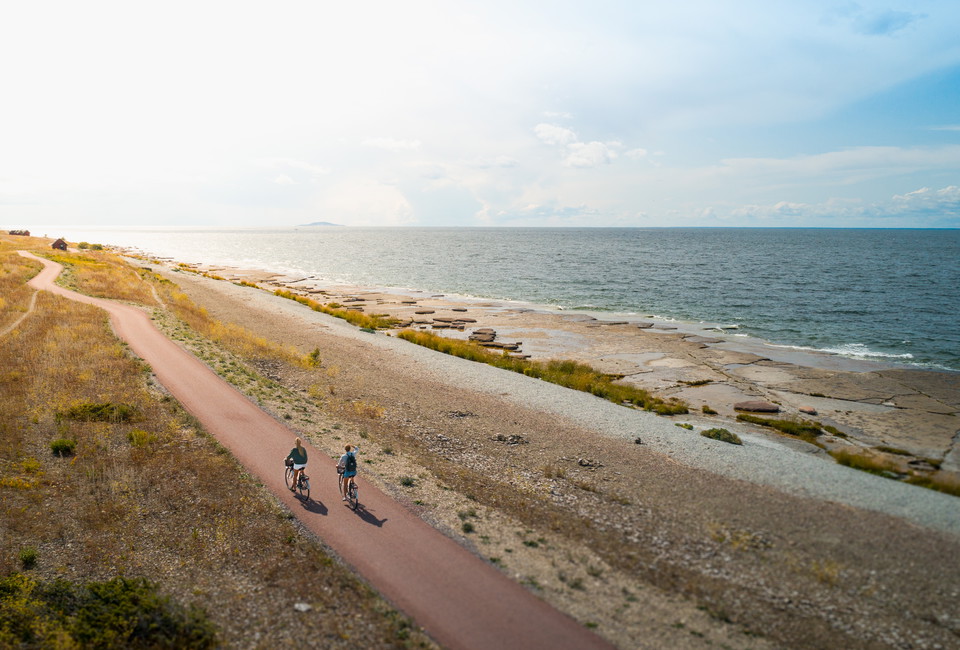
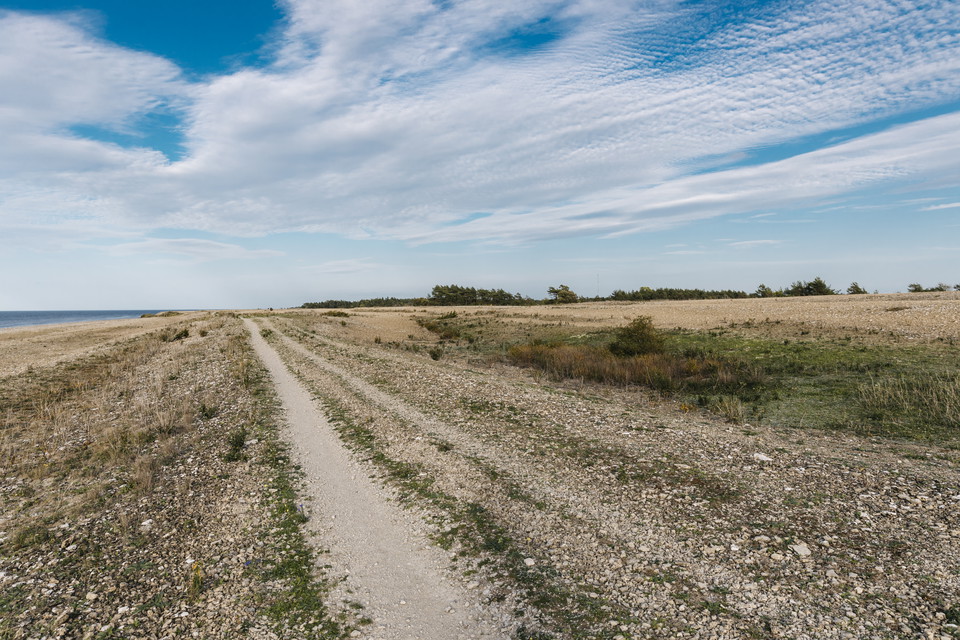
Pola Neptuni są polem peblestone wzdłuż wybrzeża. Rezerwat przyrody przeprowadzi cię przez karg i wiatrem. Ścieżki prowadzą przez pola peblestone i przez pola. W lecie można doświadczyć kolorowe spacery jak szare pola przejścia do morza kwitnącego niebieski ogień i szaro-znajdowanie, grubo-ekran, skrzydło owiec, huśtawka owiec i back hour.
Działania i udogodnienia
- Promenad
- Jazda na rowerze
- Bieganie
- Wędrówki piesze
Dostępność
- Blisko parkingu
Fakty
Rich fossil fauna
The name "Neptune Fields" is attributed to Carl Linnaeus. He passed here during his voyage to Öland in 1741. This is a 200 meter wide sea wall system, a formation from the last ice sheet. An embankment consists mainly of flat stones and gravel that have been transported by the waves above or parallel to the waterline. The area is well studied in terms of fossil fauna, which is rich. There are many examples of trilobites, a type of arthropod, and brachiopods, a type of clam.
Fields of blue fire
In this barren and windswept environment, only drought-resistant plants survive. The vegetation of the Neptune fields is therefore sparse. Nevertheless, it is precisely the vegetation that is one of the reasons why Neptuni Fields is one of Öland's most popular areas. In the summer, the grey fields turn into a colourful sea of flowering bluebells. However, this plant is not native to Öland but has been introduced by humans. In 1934, a boatload of gravel from Ven was landed in Byxelkrok. The gravel contained bladderwort seeds that spread and today bladderwort grows in several places on Öland.
Traces of Vikings
Adjacent to the southern part of the reserve is a burial ground of great cultural-historical interest. It is Öland's northernmost grave field and has been dated to the Viking Age, about 1000 years after Christ. The grave field is 150 meters long, 30 meters wide and consists of twelve cairns, 32 round stones, nine coffin graves, a trident, a remaining stone and a large ship-shaped stone called Forgalla ship. South of the cemetery there is a 1.7 meter high remaining stone called Göga flisa. According to tradition, it is a remnant of a Christian prayer place for the fishermen in Byxelkrok.
Source: Kalmar County Administrative Board
Wskazówki dojazdu
The reserve is located on the 136, about 2 kilometers north of Byxelkrok. There are four major parking pockets along the reserve.
Regulamin
In the nature reserve you may not:
Damage or remove fixed natural objects or surface formations.
Damage or remove growing trees, shrubs or plants.
Pick flowers.
Hunt, kill, capture or injure wild mammals, birds or their young.
removing or damaging eggs or nests
deliberately disturbing wildlife
Damage or remove fencing (e.g. fences).
Bringing dogs that are not on a leash
Driving a motorized vehicle off designated roads or trails.
Parking other than in designated parking areas.
Making a fire.
Camping or setting up a caravan.
Disturbing the environment with loud noises such as music, video or radio.
Source: Nature Management Unit, Kalmar County Administrative Board.
Kontakt
Należy pamiętać, że niektóre z tych tekstów zostały przetłumaczone automatycznie.
Byłam tu 1
Chcę tu iść 2


Pytania i Odpowiedzi
Zadaj pytanie innym użytkownikom Naturkartan.
Opinie
0 reviews
- 5 :
- 4 :
- 3 :
- 2 :
- 1 :