
-
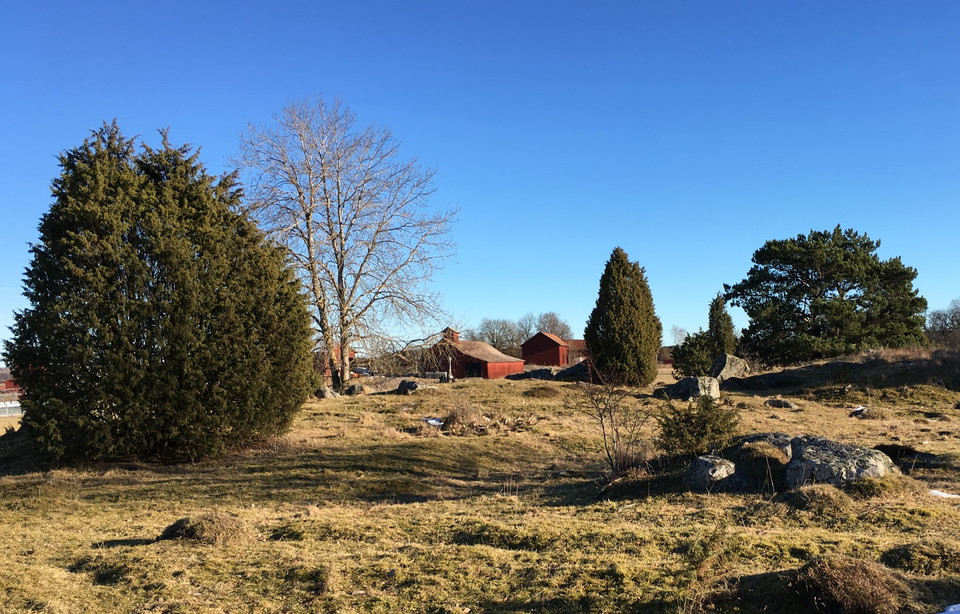
Örby hagar -
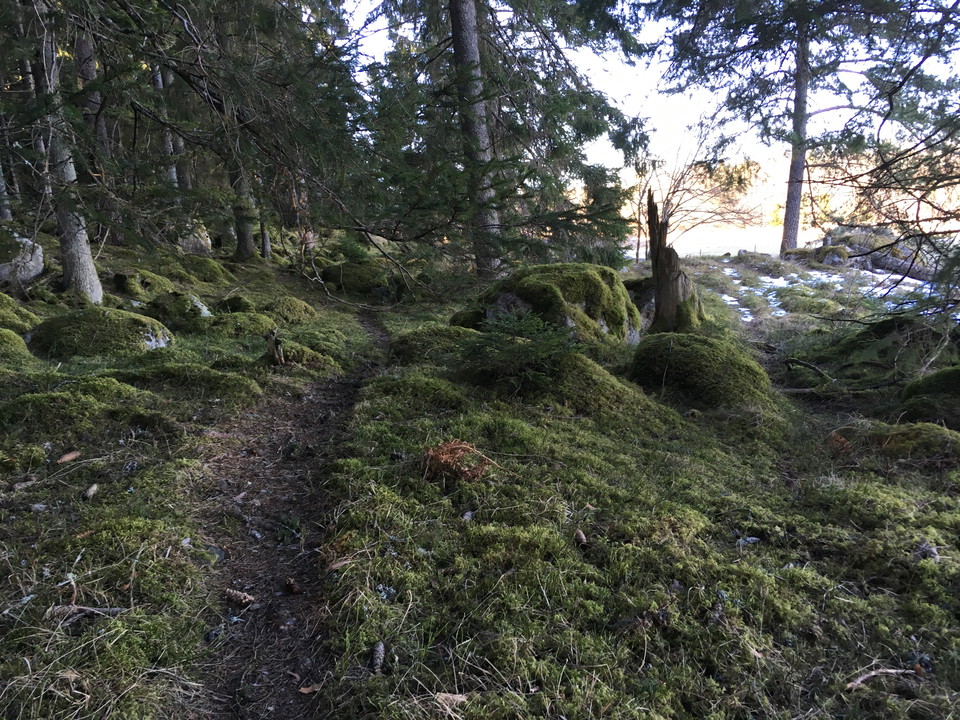
Upptrampad stig -
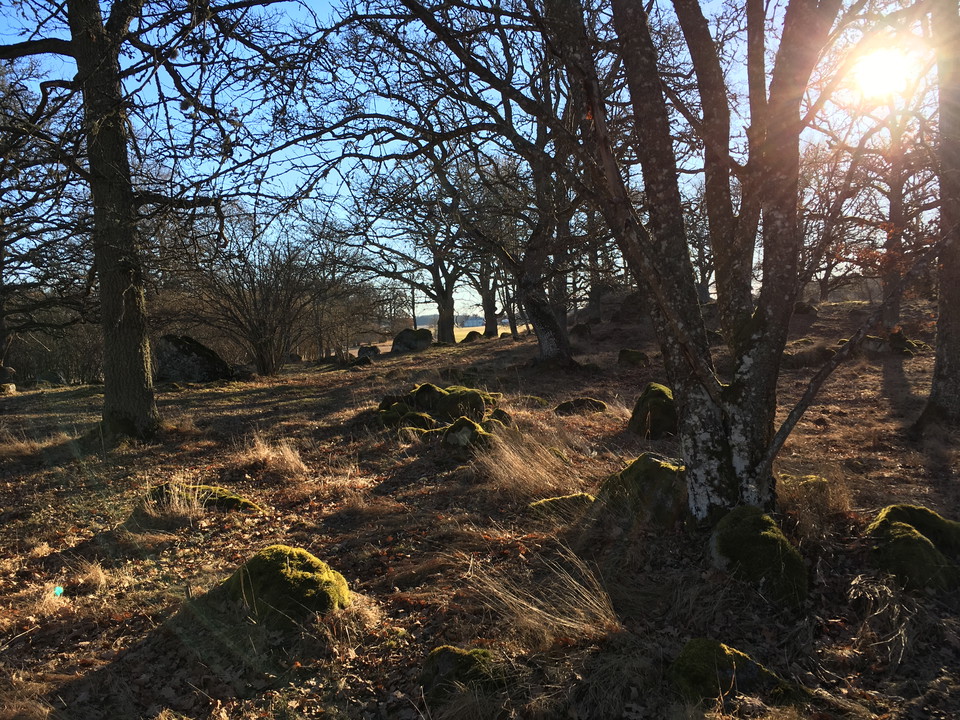
Brynmiljöer -
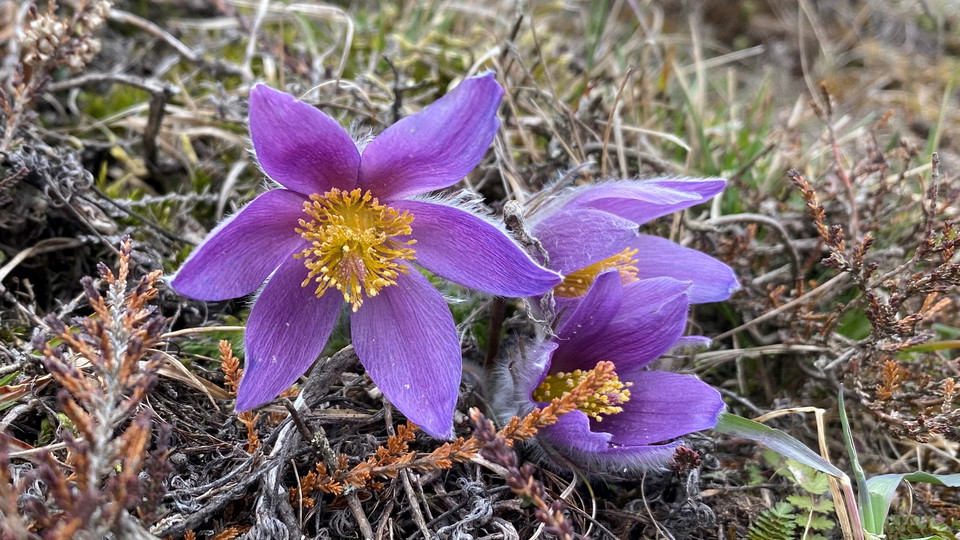
Backsippor -
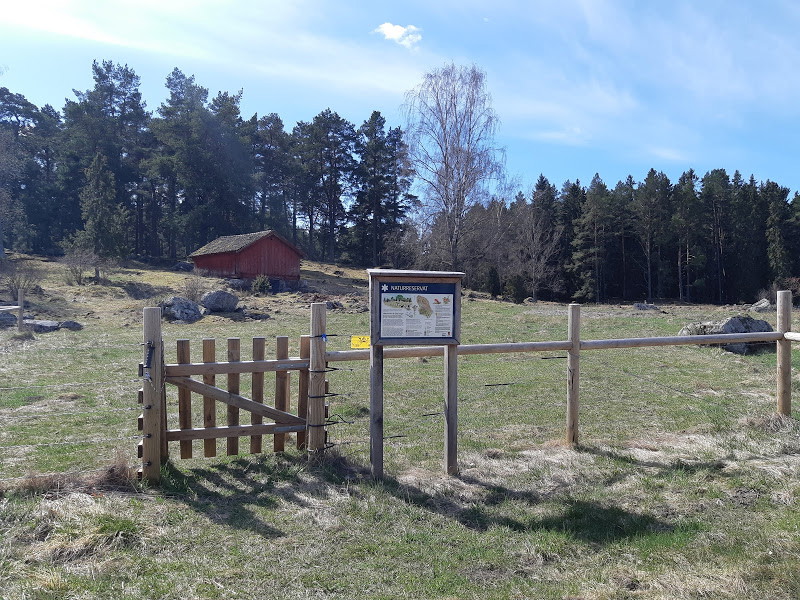
Ingång till betesmarkerna -
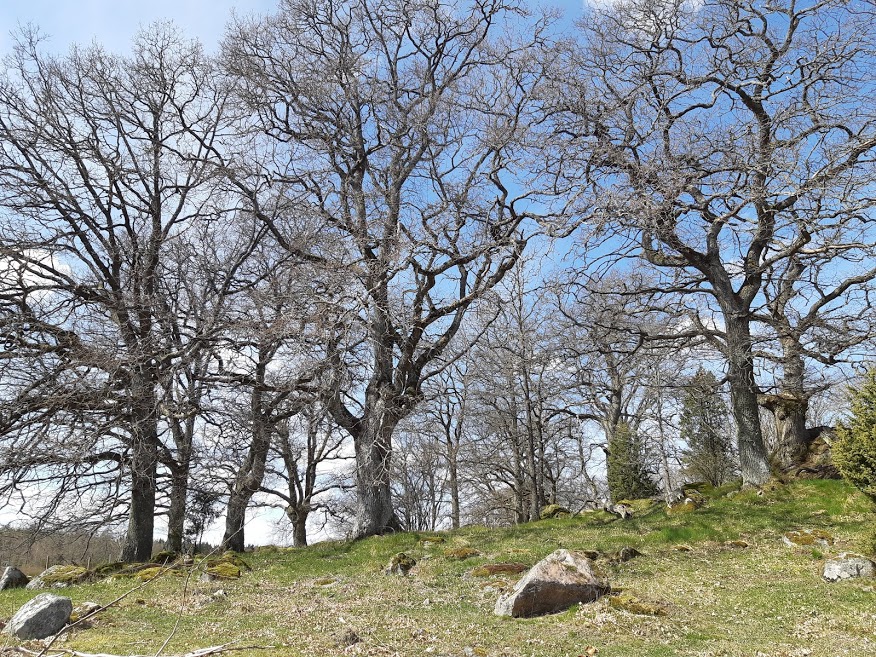
Ståtliga ekar
Örby hagar
- Luonnonsuojelualue
- Lähellä julkista liikennettä
- Kunta: Uppsala län
Toiminnot
Tällä hetkellä
Vuonna 2021 parkkipaikka hajoaa.
Kuvaus
Here in the borderland between the forest and the open agricultural landscape is the Örby hagar nature reserve. It is a nature reserve with natural pastures and fine heathland environments. The natural pastures are home to many different species that are dependent on the land being maintained with haymaking or grazing.
In the larger part of the reserve there are open pastures with many species that benefit from the cows' grazing and trampling. There are also dry hills with flowers that tolerate these dry environments. For example, you can find cat's-foot, shamrock, coneflower, wood anemone, thistle, maidenhair fern, almond blossom and snakeweed. You can also find the orchids night violet and maidenhair fern. The fungal flora here also benefits from grazing, with many red-listed meadow fungi, such as green-yellow waxcap, thread waxcap, date waxcap, reddening lute waxcap, lute waxcap, scarlet waxcap, mealy redcap and porphyry redcap.
In Örby hagar there are many fine bryn environments. The margins, i.e. where the open ground meets the forest, are an important natural environment for many species. They often provide shelter for insects such as bees and butterflies. There are also often flowering shrubs in the margins that provide food for insects and birds. The buffer zones are important environments for large trees such as oaks, which have the opportunity to spread their branches in the buffer. A lobed edge is thus a very important environment for biodiversity.
The reserve contains several ancient remains from the Bronze Age (about 3500 years ago). The two oak hills in the northern part of the reserve were at that time islands in the Uppland archipelago. In the 19th century, these oak hills were instead islands in the surrounding meadowland and today they are islands in the surrounding arable land.
Toimintaa ja tilat
- Luonnonsuojelualue
Saavutettavuus
- Lähellä julkista liikennettä
Faktat
- Mitä? Suojelun vuosi:** 2017
Todellinen: 25 ha
** Kommunikaatio:** Uppsala
**Markin omistajat: ** Gustavian-säätiö Uppsalan yliopistossa
Jäsen: Uppsalan lääninhallitus
Suojatyyppi:** Luonnonpuisto, Natura 2000
Asetukset
Se on kielletty luonnonsuojelualueella:
rikkoa oksia, ansoja tai muuten vahingoittaa eläviä tai kuolleita puita tai pensaita;
hyönteisten tai muiden selkärangattomien kerääminen, lukuun ottamatta yksilöiden hakemista tai poimimista lajien määrittämistä varten;
3. tulipalo tai grilli
4. tuoda sitomaton koira tai muut liuottavat lemmikit;
5. suorittaa moottoriajoneuvoja;
moottoriajoneuvon, asuntovaunun tai perävaunun tai vastaavien asentaminen;
7. pysyvien merkintöjen, merkkien tai vastaavien asentaminen
8. Ilman lääninhallintoa Käytä aluetta järjestettyyn kilpailuun tai liikuntaan, leiritoimintaan tai vastaavaan.
Ota yhteyttä
Sähköpostiosoite
Länsstyrelsen i Uppsala län
Huomaa, että osa näistä teksteistä on käännetty automaattisesti.
Olen ollut täällä 3

Haluan mennä tänne 6


Kysymykset & vastaukset (Q&A)
Esitä kysymys muille Naturkartan-käyttäjille.
Arvostelut
0 arvostelut
- 5 :
- 4 :
- 3 :
- 2 :
- 1 :