
-
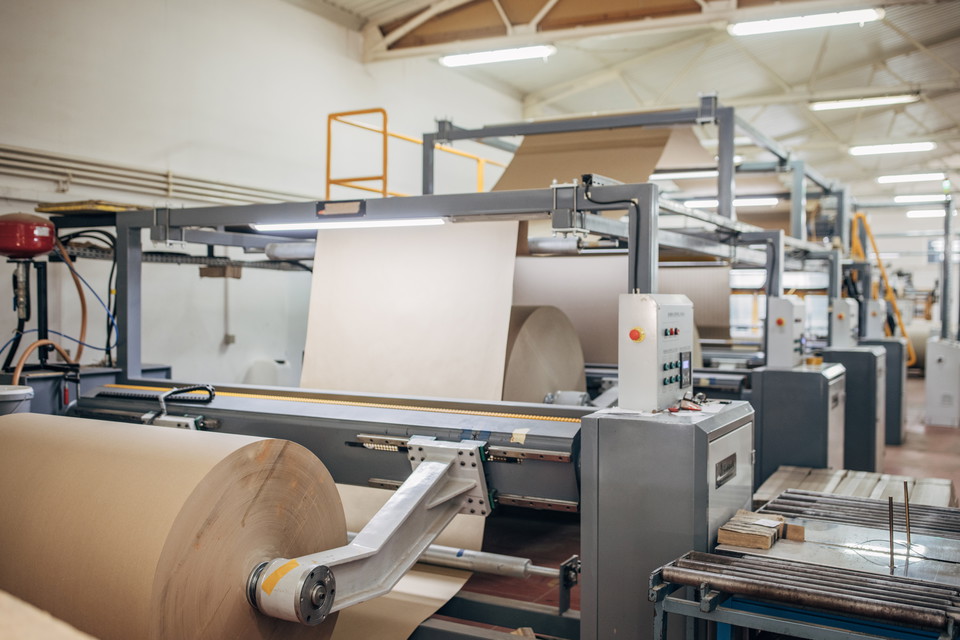
Tillverkning av papper
Virkesprodukter, Skinnskatteberg - Färnaleden
- Point of interest
- Hiking
- County: Västmanlands län
- 155.98 km away from you
Actions
Description
Products made of wood
Since time immemorial, wood from the forest has been a renewable resource that can be used in many different areas. The most common wood products that come to mind are boards and planks, firewood, furniture and pulp. But the fact is that wood is used in more contexts than you might think. Of the wood harvested in Swedish production forests today, about 1/10 goes to things like firewood and poles. Of the remainder, about half becomes sawlogs and the other half goes to the pulp industry. Wood fibres are used in a variety of products that you might not normally associate with wood, such as textiles, fuel, medicine and hygiene products. Responsible use of forest products and wood materials can also help us on the road to a fossil-free society and contribute to important carbon sequestration in our efforts to tackle the challenges of climate change.
Example of products
Building materials - Wood is more environmentally friendly compared to steel and concrete. Solid wood strips, boards, planks and posts have long been a staple of house building. Today, laminated building materials are also widely used in house construction. By gluing together several layers of pine or spruce, light, modern, beautiful and durable structures are created in Swedish architecture.
Furniture - Our wooden furniture is made from many different types of wood. But oak is one of the most popular types of wood when it comes to Swedish furniture manufacturing. The wood used has different classes depending on its quality, in terms of density, possible risk of cracks and the appearance of the grain. In furniture manufacturing, a lot of time is also spent on surface treatments such as soap, oil, wax, stain and varnish. This is because the color, grain, durability and structure of the wood play an important role in wooden furniture.
Matches - Swedish matches are made from aspen, a straight-grained wood that burns slowly and evenly. About 1 million matches can be made from one Swedish aspen tree. The matches are treated with paraffin and lighter fluid before being packed in cardboard boxes. At least 250 million matches are produced in Sweden every day.
Diapers - Wood pulp can be made fluffy and highly absorbent, which is useful in various types of diapers with extra high absorbency. In Sweden, for example, over 400 million baby diapers are used every year.
Fuel pellets - Pellets are made from residual products from the carpentry and forestry industries.
Sawdust and shavings are compressed to be used to fuel and heat our homes. Under high pressure, the chips are compressed into small rods of wood fibers with very high energy content. More than 1.8 million tons of pellets are produced in Sweden every year.
Popsicle sticks - Our popsicle sticks usually have a stick made of beech. Beech wood is hard, strong and straight-fibred, which means that the popsicle stick does not break into sticks so easily. Another advantage of beech ice cream sticks is that beech wood does not affect the taste of the ice cream.
Pulp - Used to make toilet and kitchen paper, newsprint, wallpaper, coffee filters, cardboard, wrapping paper and so-called smart packaging. Pulp can be roughly divided into mechanical and chemical pulps, depending on whether the wood fibers in the manufacturing process are separated by mechanical means or by cooking in dissolving chemicals. Both types of pulp are made from fresh wood fibers and recovered fibers from paper recycling.
Pine diesel_ - A collective name for all pine oil components that can be used in diesel applications, for example as a fuel for cars. By processing forest residues, black liquor and raw pine oil are extracted and can be used as a renewable fuel. The pine diesel that can be filled up at gas stations today can be up to half blended with traditional fossil-based diesel.
Chewing gum - It is not uncommon for chewing gum to contain the sweetener xylitol, also known as birch sugar. The sweetener is mainly made from birch, but can also be made from beech and maple. Vanillin sugar is another sweetener that can be recognized in various vanilla products. Vanillin sugar can be made, for example, from rotten spruce pulpwood.
Textiles - Fabrics can be based on wood. For example, clothing made from viscose, lyocell, tencell and rayon are all made from wood. Developments are constantly advancing as the clothing and forestry industries are now researching the use of cellulose fibres in the textile industry. Cellulose is extracted from wood fibres. Another interesting piece of fabric is the Swedish invention wettextrasan, which is often seen on the kitchen sink. It is made of cellulose reinforced with cotton fibers and is fully biodegradable.
Composite materials - Cellulose mixed with other materials, such as plastics, is called composite material. Composites have a wide range of applications, from materials used in the transportation sector to packaging components such as caps for soft drink bottles.
Biofuel - About one third of the total energy consumption in Sweden comes from biofuel. By also utilizing logging residues such as tree tops, branches, rice and roots, also known as sprouts, these masses can be used as a fossil-free and renewable energy. However, when harvesting coppice, environmental considerations must be taken into account, for example by leaving at least one fifth of the harvesting residues on site. This is because dead wood is also an important part of our forest biodiversity.
**Sweden's green gold
In addition to being a biological oasis of animals, plants and abundant life, the forest is also a source of the fantastic renewable raw material wood. Properly and respectfully managed, the forest will hopefully continue to provide us with Sweden's Green Gold. A resource that can help us reach the climate goals we have ahead of us.
Activities And Facilities
- Hiking
- Point of interest
Facts
Den här skylten är en del av Skinnskatteberg - Färnaleden.
Genom projektet Ledutveckling Skinnskatteberg-Färna, Trails of Västmanland Expansion 2022-2024, med ekonomiskt stöd från Tillväxtverket, har leden förbättrats och försetts med informationsskyltar. Varje informationsskylt har sin egen punkt på Naturkartan där mer fakta kring varje ämne samsas med länkar till ytterligare läsning.
Projektet har samordnats av Skinnskattebergs kommun i samarbete med SLU Skinnskatteberg som kunskapspartner med stöd från olika lokala intressenter och markägare. Jonas Vildmark Bushcraftcenter har genom förarbete, fysiskt arbete på leden och kunskapsinhämtning drivit arbetet.
Contact
Address
Box 101, 739 22 Skinnskatteberg
Email address
Veronica Dahlberg
Organization logotype
Please be aware that some of these texts have been automatically translated.
I’ve been here
I want to go here
Questions & Answers
Ask a question to other Naturkartan users.
Reviews
0 reviews
- 5 :
- 4 :
- 3 :
- 2 :
- 1 :