
-
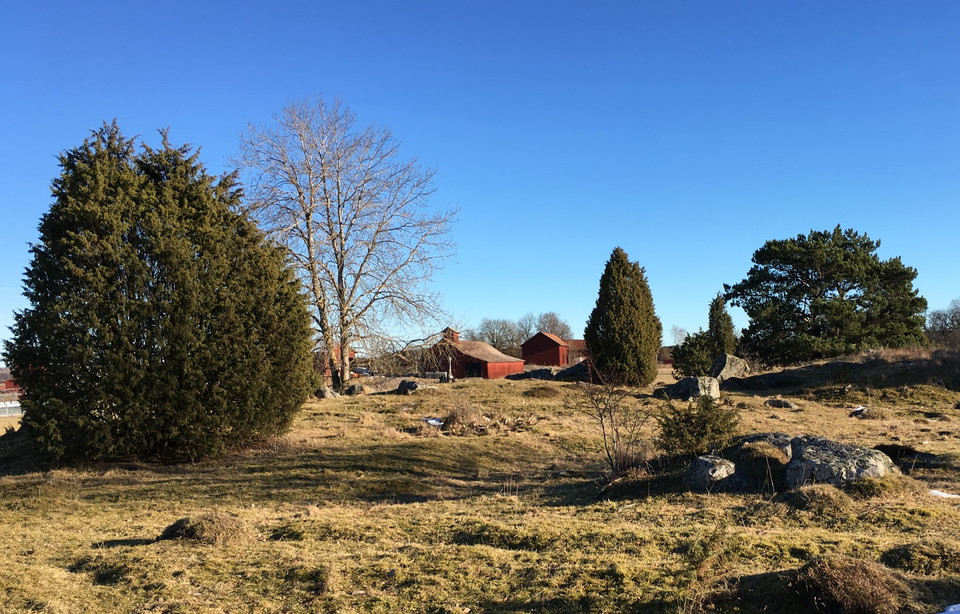
Örby hagar -
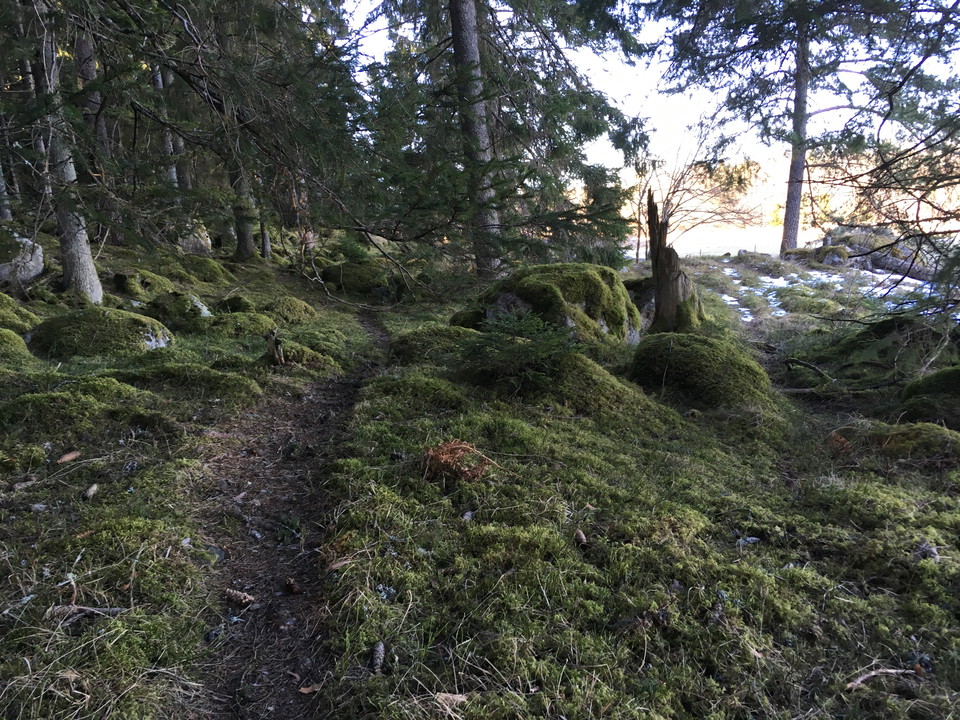
Upptrampad stig -
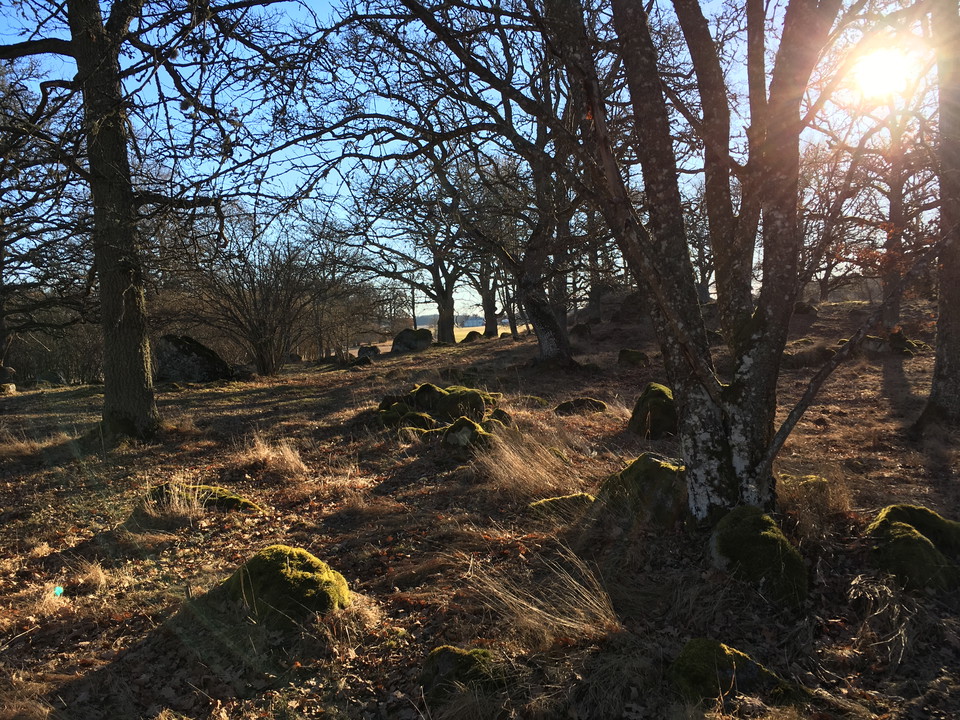
Brynmiljöer -
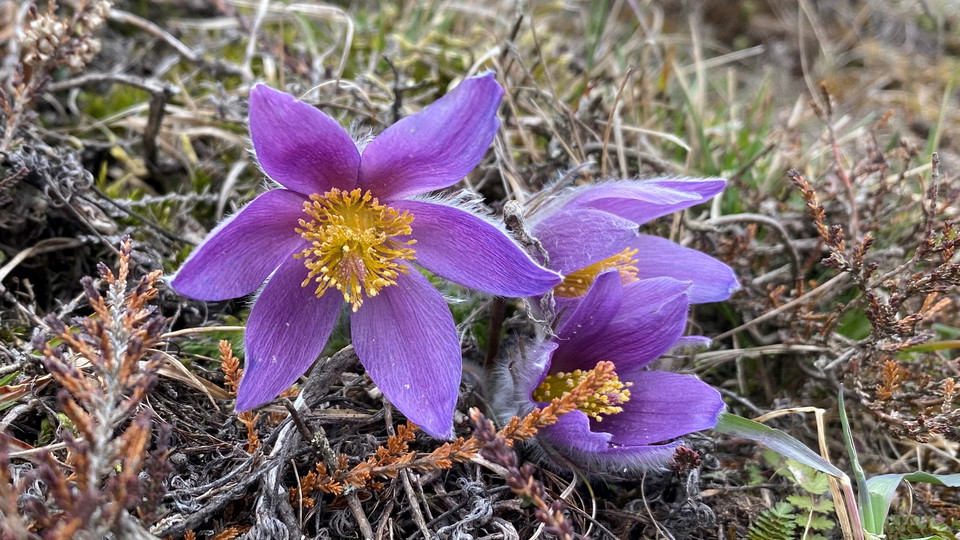
Backsippor -
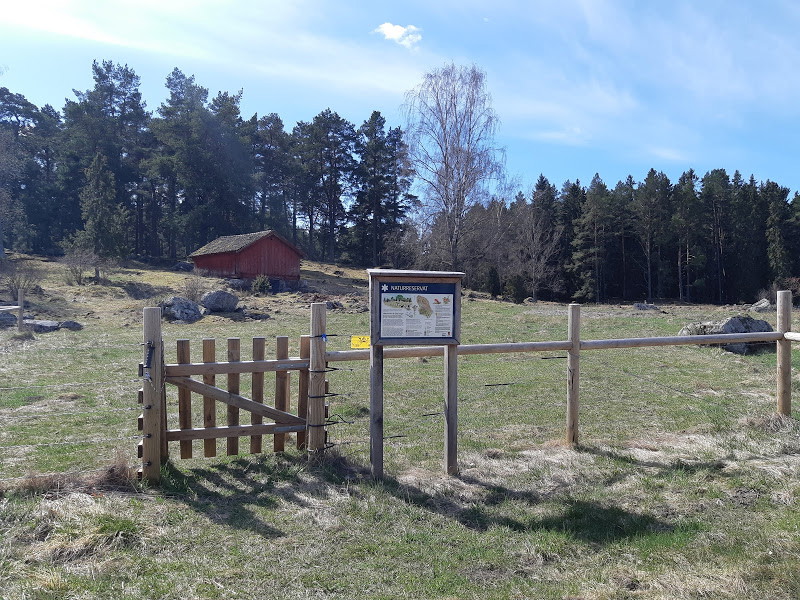
Ingång till betesmarkerna -
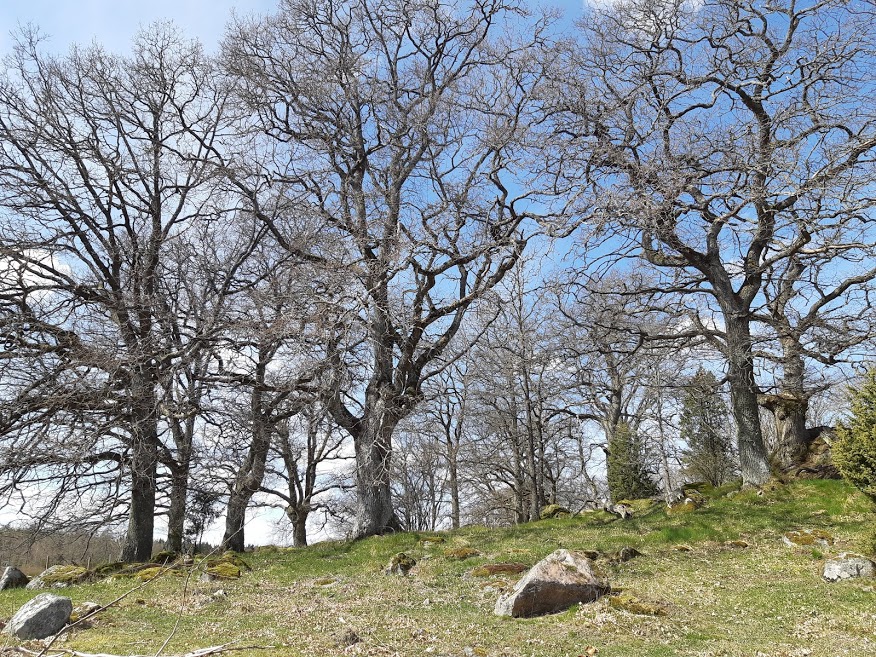
Ståtliga ekar
Örby hagar
- Nature reserve
- Near Public Transport
- County: Uppsala län
Actions
Currently
Under 2021 kommer parkeringsplatsen att grusas.
Description
Here in the borderland between the forest and the open agricultural landscape is the Örby hagar nature reserve. It is a nature reserve with natural pastures and fine heathland environments. The natural pastures are home to many different species that are dependent on the land being maintained with haymaking or grazing.
In the larger part of the reserve there are open pastures with many species that benefit from the cows' grazing and trampling. There are also dry hills with flowers that tolerate these dry environments. For example, you can find cat's-foot, shamrock, coneflower, wood anemone, thistle, maidenhair fern, almond blossom and snakeweed. You can also find the orchids night violet and maidenhair fern. The fungal flora here also benefits from grazing, with many red-listed meadow fungi, such as green-yellow waxcap, thread waxcap, date waxcap, reddening lute waxcap, lute waxcap, scarlet waxcap, mealy redcap and porphyry redcap.
In Örby hagar there are many fine bryn environments. The margins, i.e. where the open ground meets the forest, are an important natural environment for many species. They often provide shelter for insects such as bees and butterflies. There are also often flowering shrubs in the margins that provide food for insects and birds. The buffer zones are important environments for large trees such as oaks, which have the opportunity to spread their branches in the buffer. A lobed edge is thus a very important environment for biodiversity.
The reserve contains several ancient remains from the Bronze Age (about 3500 years ago). The two oak hills in the northern part of the reserve were at that time islands in the Uppland archipelago. In the 19th century, these oak hills were instead islands in the surrounding meadowland and today they are islands in the surrounding arable land.
Activities And Facilities
- Nature reserve
Accessibility
- Near Public Transport
Facts
Year of protection: 2017
Area: 25 ha
Municipality: Uppsala
Landowner: Gustavian Foundation at Uppsala University
Trustee: County Administrative Board in Uppsala County
Type of protection: Nature reserve, Natura 2000
Regulations
It is forbidden to enter the nature reserve:
- break branches, fell or otherwise damage living or dead trees or bushes
- collect insects or other invertebrates, with the exception of collecting or picking single individuals for species identification,
- making fires or barbecues
- bring an unleashed dog or other stray pet
- driving a motorized vehicle
- set up a motorized vehicle, caravan or trailer or similar,
- put up permanent markings, signs or similar,
- without the permission of the County Administrative Board, use the area for organized competitions or exercises, camp activities or the like.
Contact
Email address
Länsstyrelsen i Uppsala län
Please be aware that some of these texts have been automatically translated.
I’ve been here 3

I want to go here 6

Questions & Answers
Ask a question to other Naturkartan users.
Reviews
0 reviews
- 5 :
- 4 :
- 3 :
- 2 :
- 1 :