
-
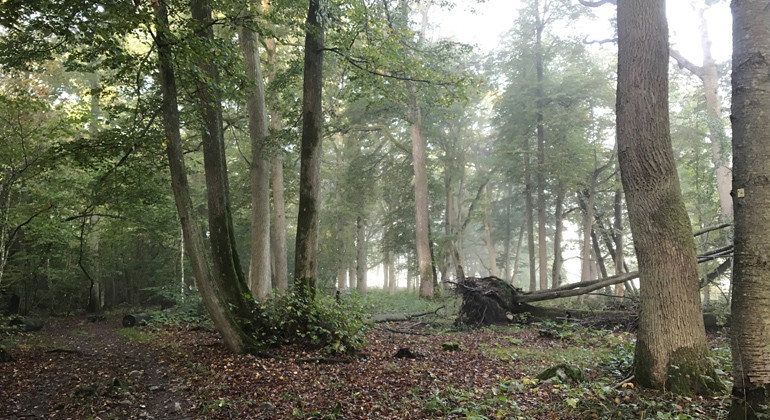
Photo: Sanna Persson -
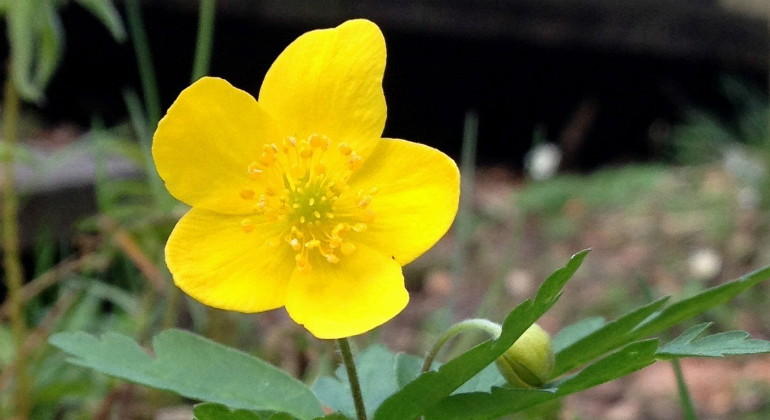
Gulsippa.
Photo: Carina Zätterström -
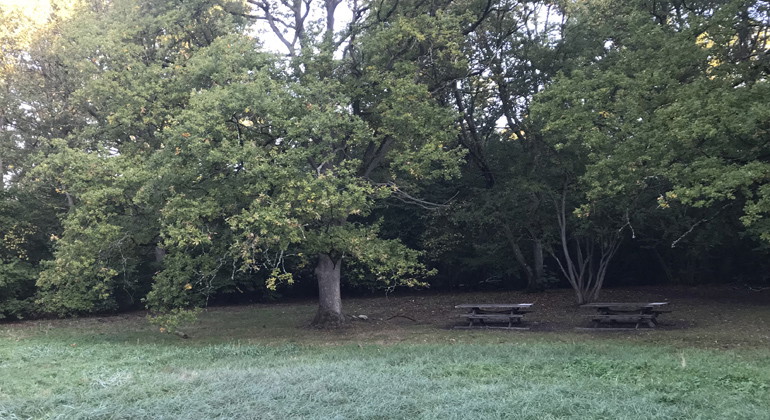
Photo: Sanna Persson -
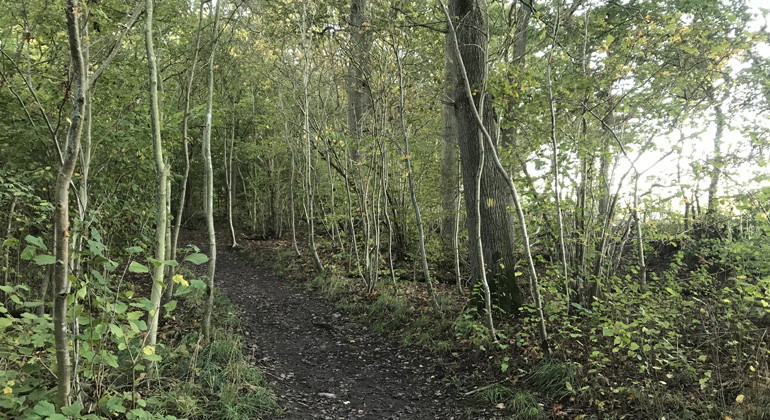
Photo: Sanna Persson -
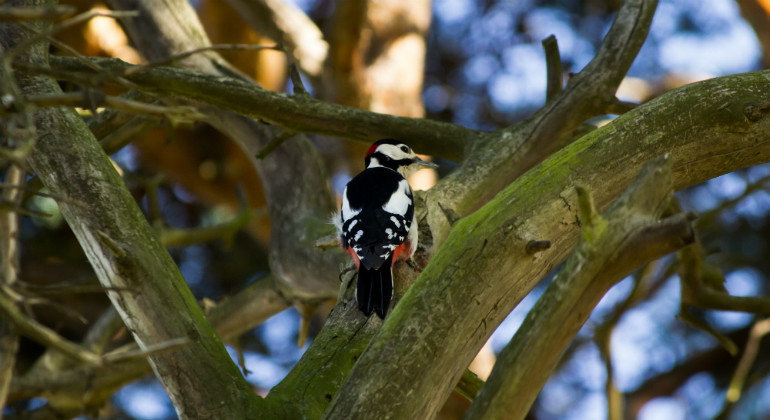
Större hackspett.
Photo: Alex Regnér -
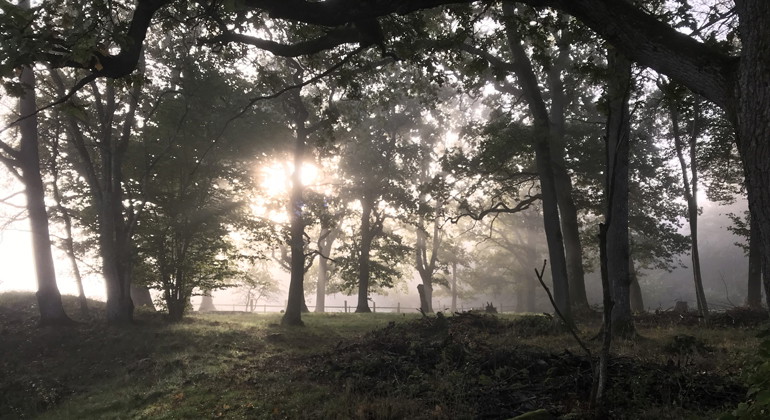
Photo: Sanna Persson -
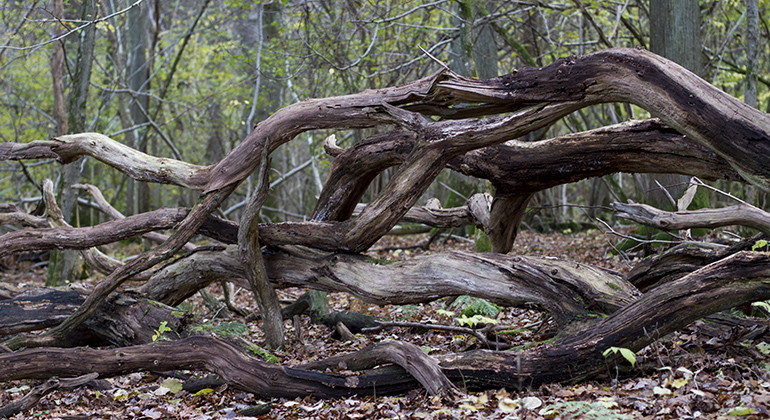
Photo: Alex Regnér -
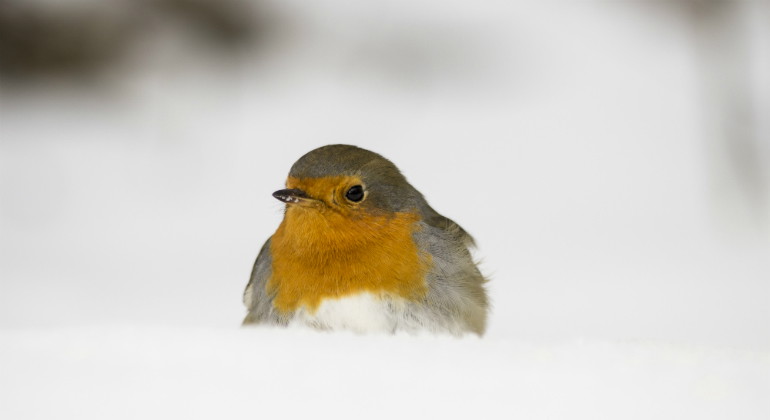
Rödhake.
Photo: Alex Regnér -
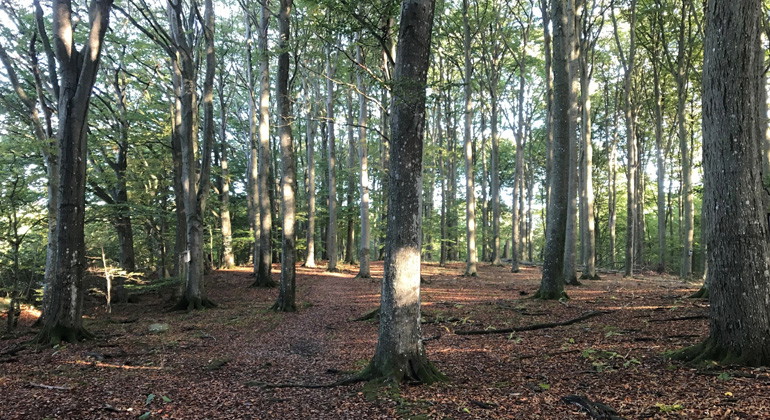
Photo: Sanna Persson -
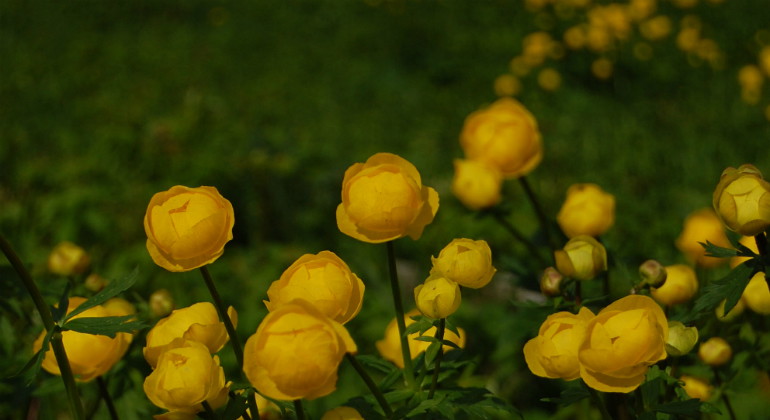
Smörbollar.
Photo: Maria Sandell -
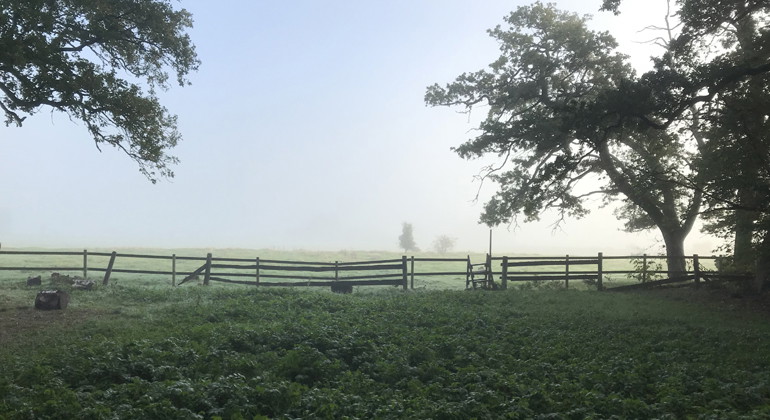
Photo: Sanna Persson -
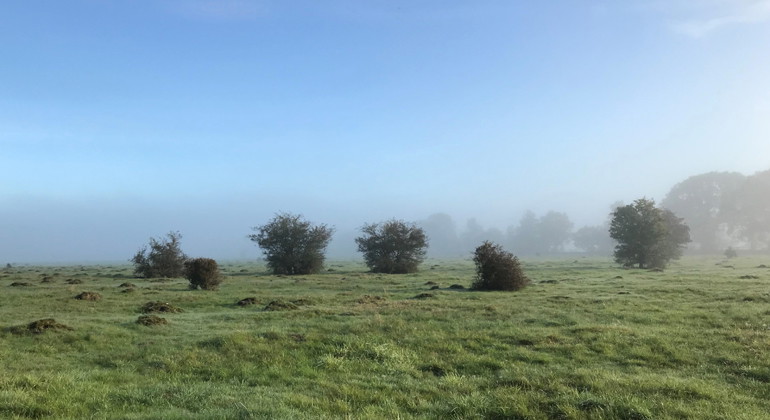
Photo: Sanna Persson -
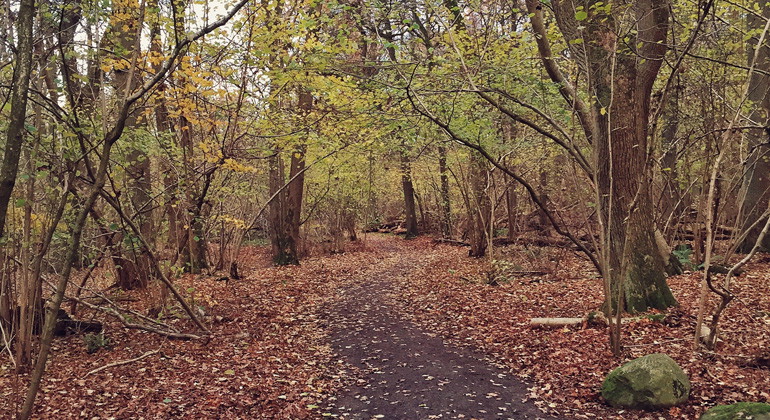
Photo: Alex Regnér -
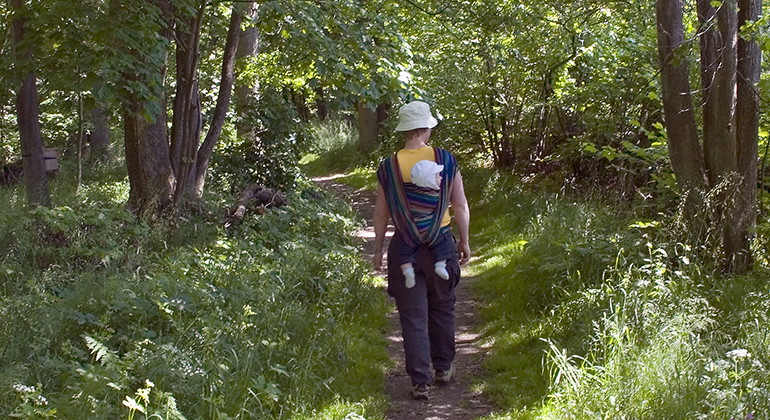
På vandring i Linnebjer.
Photo: Mikael Arinder/Skånska bilder
Linnebjer, Naturreservat
- Nature reserve
- County: Skåne län
Actions
Description
A marked trail of about 1.5 km takes you through the forest landscape, in this small but nice reserve. Linnebjer (Linnebjär) means "linden mountain" but today the forest consists mainly of oak and hazel, although in places there are still a lot of linden and elm trees. Rare meadow plants such as buttercup and marsh marigold flourish here and birds such as black and white flycatchers, nuthatches and wood pigeons find their nesting places in hollow trees. Take a break at the pasture in the west and enjoy the views of Vombsänkan.
Old hay meadow
In the past, the fertile land in Linnebjer was used as a hay meadow and the drier parts served as a stubble meadow where leafy fodder was taken for the animals. When agriculture was modernized at the turn of the last century, the importance of the meadow decreased and the animals were released to graze on the old meadows. Eventually, grazing also ceased and the forest began to close in.
Lindberget
Linnebjer roughly means 'lime mountain'. There was probably a lot of lime growing here in the past - perhaps in the stubble meadows when the lime leaves provided good fodder. Today, the forest consists mainly of oak-hazel forest, but in places there is still a lot of lime and elm. In spring, the grove's plants bloom most abundantly, and species such as yellow dock and lungwort testify to the fertility of the soil.
In hollow trees and hollows
When the area became a nature reserve, mowing was resumed in some damp glades in the forest, so now meadow plants such as buttercup and marsh fennel can continue to flourish in Linnebjer. Birds such as black and white flycatchers, nuthatches and wood pigeons nest in hollow, old trees. If the hollow trees are not enough, they can move into one of the reserve's hollows. In return, they offer their most beautiful song during spring and early summer.
Outdoor life
A marked trail (about 1.5 km) takes you through the forest landscape of this small reserve. The walk can be shortened in two places if you wish. The south-eastern part of the trail can be muddy when wet. Take the opportunity to look out over the pasture on the edge of the reserve and the views of Vombsänkan in the west. Here in Linnebjer there are two rest areas, one of which is next to the parking lot in the southwest. Remember to take your rubbish home. The nearest bus stop is Odarslöv Linnebjersvägen which is about 2 km to the northwest.
In English
Welcome to Linnebjer Nature Reserve
Historically, the more fertile areas of Linnebjer were used as hay meadows and the drier parts as hay meadow mixed with coppice, where leaf fodder was cut for the animals. With the modernization of agriculture, the value of the meadow declined and animals were grazed on the old meadows instead. With time, even grazing stopped and the woodland took over.
Linnebjer means the "lime hill". It is likely that there were a lot of lime trees here in the past. Today, the woodland consists primarily of oak and hazel woodland, but there are still some areas with quite a lot of lime and elm. The woodland flowers are best in the spring. The species such as cowslip and suffolk lungwort reflect the nutrient richness of the soil.
When the site became a nature reserve, hay cutting began once again in some of the wet glades in the woodland. This means that meadow flowers such as globe flower and marsh cranesbill can continue to flourish at Linnebjer.
Pied flycatcher, jay and stock dove find places to nest in the hollow, old trees. If there are not enough hollow trees, then they can use one of the bird boxes in the reserve. As a thank you, the birds share their most beautiful song in the spring and early summer.
Regulations
The regulations which apply in the reserves are set out on the notices displayed at the entrances and in swedish on this web page.
Activities And Facilities
- Nature reserve
Facts
Established: 1980
Size: 38 hectares
Municipality: Lund
Administrator: County Administrative Board of Skåne
Protection type: Nature reserve and Natura 2000
Directions
Walk, cycle, take public transport or drive here. Map and directions via Google maps or coordinates (WGS84).
Regulations
**Within the area, special rules and restrictions apply to the right of public access.
For example, it is forbidden to:
- having a dog unleashed
- make fires outside the designated area
- ride a horse
- ride a bicycle
- camping or setting up a caravan/mobile home
It is important to note that this is only a selection of the rules.
Full regulations for visitors
In addition to regulations and prohibitions in other laws and regulations, it is forbidden to:
- remove, dig, drill, paint or otherwise damage land, stone or natural objects,
- camping, or setting up a caravan, motorhome or similar,
- make a fire other than in a designated place,
- ride a bicycle
- ride a horse,
- deliberately disturb grazing animals,
- bring a dog or other pet that is not kept on a physical leash
- digging up plants
- park outside designated parking areas,
- planting or sowing plants or putting out animals
- dumping garden waste,
Furthermore, it is prohibited without the permission of the County Administrative Board
12. capture insects, spiders, snails or other invertebrates other than by scooping, hand picking or other selective method that does not destroy the animal's habitat, with subsequent release within the nature reserve. The requirement for re-release does not apply to single specimens of difficult-to-determine species of each species, provided that the findings are registered in the Species Portal, or equivalent database for threatened species, and that the collection does not violate the conservation regulations,
13. collect mosses, lichens or wood-living fungi, with the exception of single specimens of species that are difficult to identify, provided that the finds are registered in the Species Portal, or equivalent database for threatened species, and that the collection does not violate the conservation regulations
14. organize camp activities or similar events,
15. organize competitions or similar events
16. place or set up a board, poster, sign, poster, signpost, orientation control or similar other than temporarily, for a maximum of ten days.
Contact
Address
Under LÄNKAR kommer du till aktuell reservatssida på Länsstyrelsens webbplats, med fördjupande information som kartor, broschyrer och hänvisning till relevanta aktörer. Här finns även en rapportfunktion för dig som vill lämna uppgifter om naturreservaten som vi förvaltar.
Email address
Organization logotype
Please be aware that some of these texts have been automatically translated.
I’ve been here 1
I want to go here
Questions & Answers
Ask a question to other Naturkartan users.
Reviews
0 reviews
- 5 :
- 4 :
- 3 :
- 2 :
- 1 :