
One wetland, many benefits
Images
-
-
-
-
-
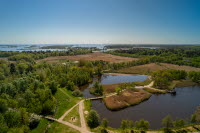
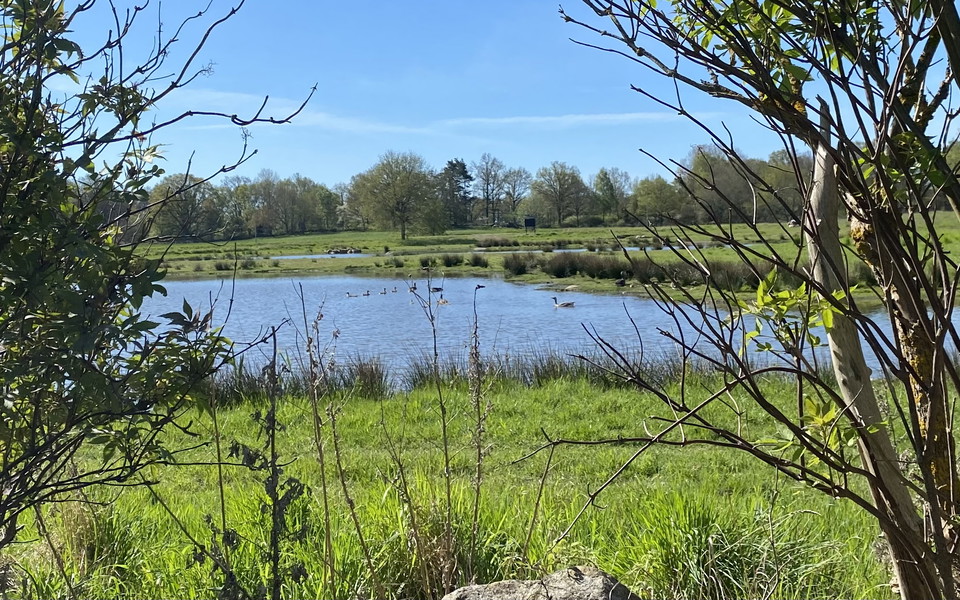
Del av Kalmar dämme och Skärgårdsparken
Photo: Lina Jakobsson -
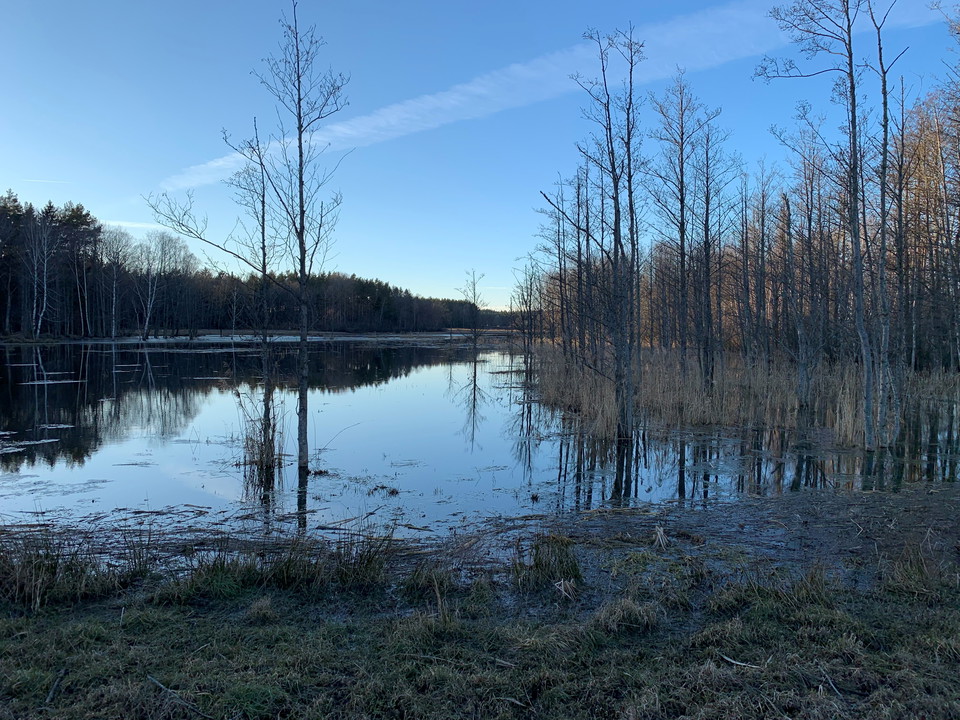
Nature conservation, for the sake of nature and for our own sake
The restoration of wetlands is a matter of national interest and a key part of Kalmar Kommun's environmental work. Historical drainage of wetlands has created more arable land, but it has also caused problems. Many species have lost their wet habitats, whilst the landscape’s ability to retain and purify water has diminished. When water from forests and land flows rapidly out to the coast, the formation of groundwater is also reduced – a vital ecosystem service that we receive entirely free of charge.

Wetlands – natural water treatment plants
In Sweden, wetlands are classified into a system of main and sub-groups, with the main groups being mires, coastal wetlands and other wetlands. A dam is another name for a constructed wetland. A common feature of all wetlands is that, for much of the year, the water lies just above or just below the ground surface. The nutrient-rich water creates an oasis for many different plants, insects and animals. Wetlands also have a superpower in that they can purify water of pollutants.
Wetlands then and now
Wetlands form naturally where groundwater rises to the surface or when lakes become overgrown with dead plant matter.
Once upon a time, there were many more wetlands in southern Sweden. For hundreds of years, they were used as grazing land for livestock. When land management practices changed around a hundred years ago, the landscape changed too. The meandering watercourses were straightened and wetlands were drained to make way for more arable land, whilst farming became increasingly efficient and artificial fertilisers were introduced. An unintended side-effect was that nutrients not absorbed by the crops in the fields disappeared into the ditches, ended up in the watercourses and eventually reached the coast. The nutrients nitrogen and phosphorus are the culprits behind the Baltic Sea’s major environmental problem: eutrophication. When too many nutrients enter the water, it leads to, amongst other things, algal blooms and deteriorating water quality, which affects marine life and our ability to swim and enjoy clean water.
Today, we realise that wetlands can help us reduce eutrophication. Water pools there, and through sedimentation and biological processes, nutrient levels are reduced. Furthermore, wetlands can have several positive effects, such as retaining water for longer periods, replenishing groundwater, sequestering carbon and increasing biodiversity in the area.
By restoring and recreating wetlands, natural watercourses and a wide variety of other aquatic environments, we are reclaiming much of what we have lost.
Excellent conditions for birdlife and fish
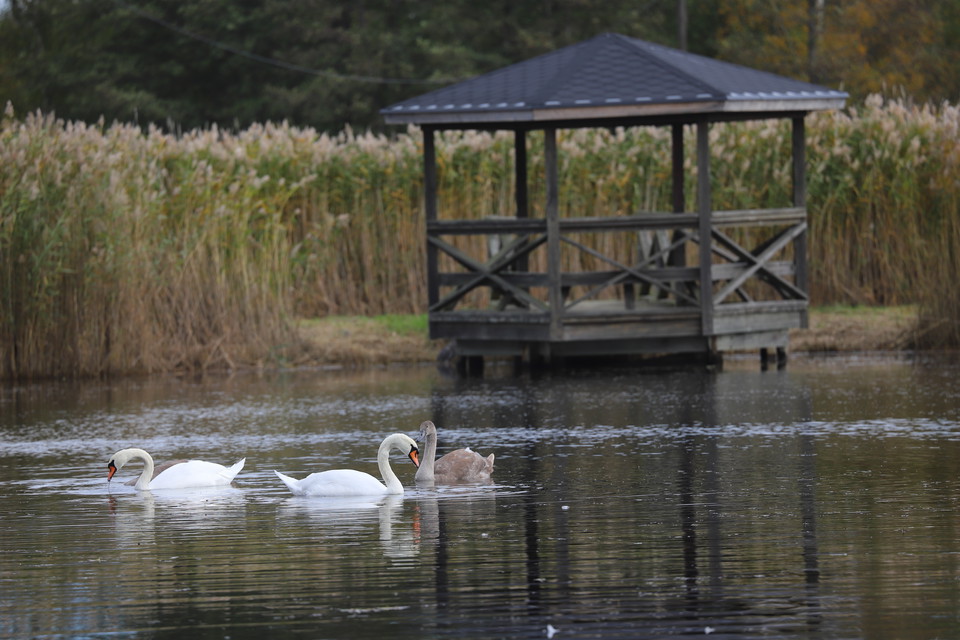
Large open water areas and reed beds provide ideal conditions for a rich variety of birdlife. In particular, many waders and shorebirds thrive in the lush wetlands.

Many wetlands provide excellent habitats for fish, primarily pike but also roach, dace and perch. Pike that grow up in the wetland return to spawn. You can read more about pike wetlands here.
Please note that fishing is prohibited in all wetlands and ponds so as not to disrupt the wetland’s purification capacity and to protect fish that are spawning.