
Habo kyrka
- Culture
- To do
- County: Jönköpings län
- 255.42 km away from you
Actions
Description
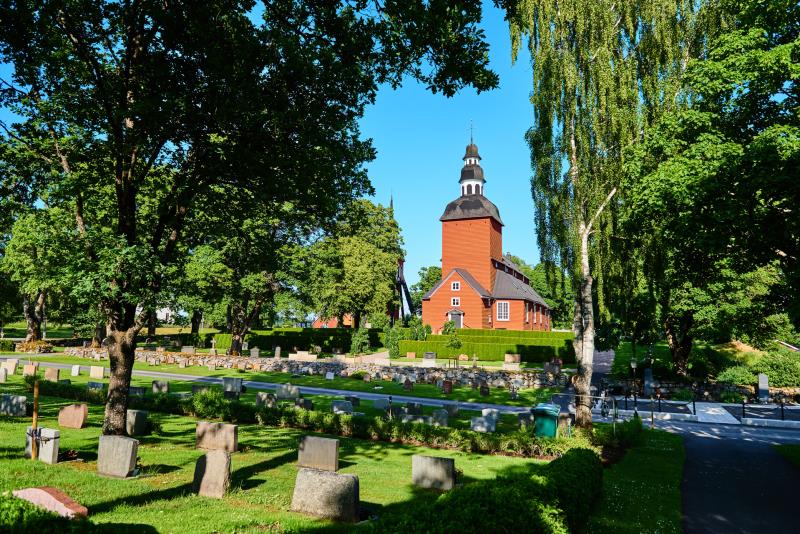
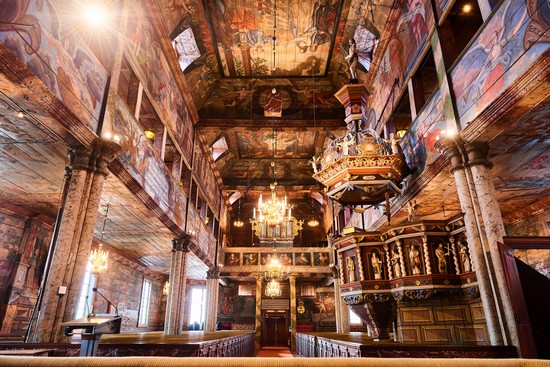
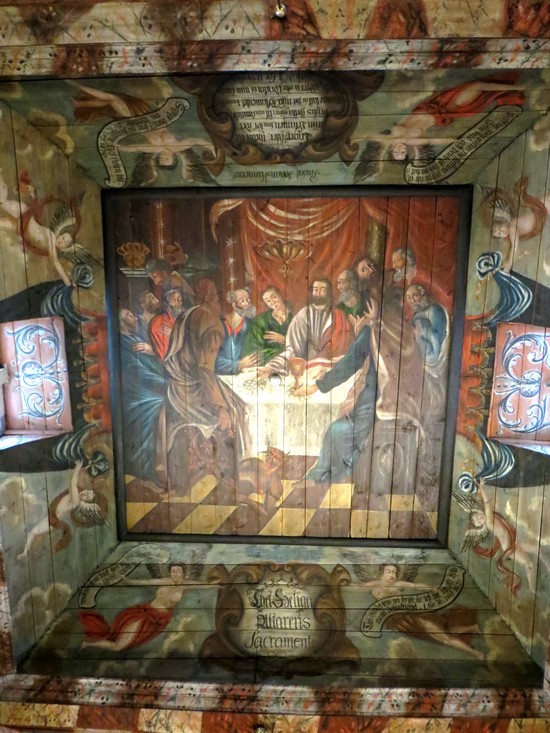
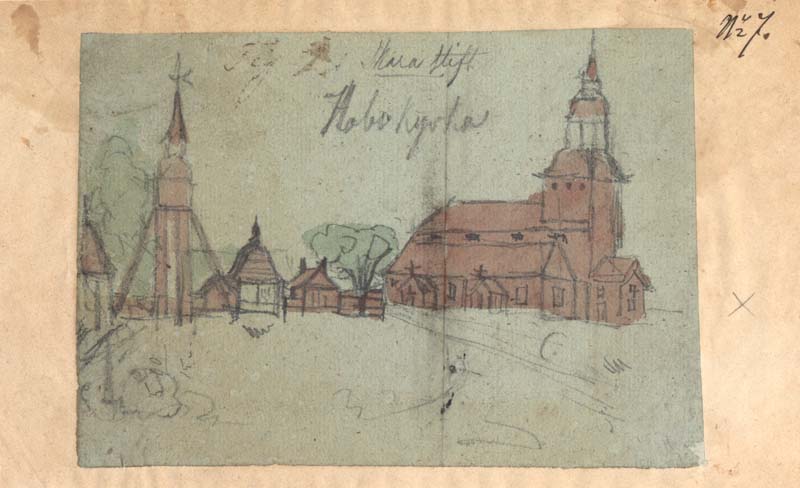
Habo church, about 5 km southwest of the village of Habo, is one of the country's most remarkable. It is an unusually grand rural church and it is richly decorated with paintings inside.
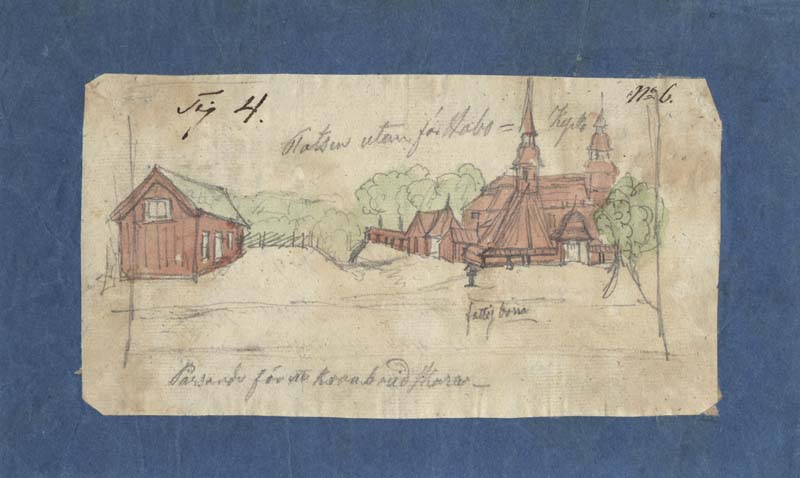
Before the railway was built through the landscape here in the 1860s and the settlement was established, Habo church village was the center of the parish. Just north of the church is still the vicarage with its white residential building from 1827 and the small, red building just east of the church is the old parish cottage.
Even in the Middle Ages, Habo parish had a small wooden church, but the sacristy was built of stone. The sacristy is still preserved, while the rest of the medieval church has been replaced. The church was extensively rebuilt in 1680, but its current form was created in connection with a major expansion in 1723. It was the building-oriented priest Martin Seth and the wealthy parishioner Swen Nilsson Swan who jointly pushed the issue of expanding and beautifying the church. Due to the wars during the reign of King Karl XII, the plans were delayed, but a few years of peacetime after the king's death created the conditions for the church rebuilding. Both the chancel and the sanctuary were now larger and the special roof with the central elevation was created.
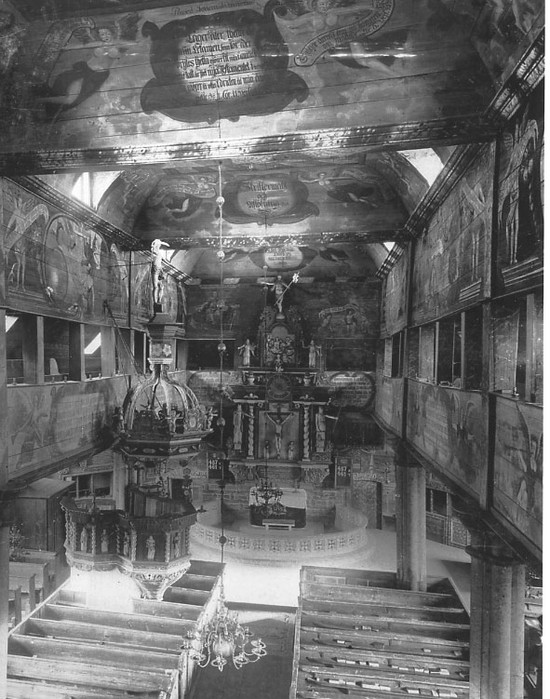
The large altarpiece and pulpit were added at the same time as the church rebuilding in the 1720s. They were made by the sculptor Jonas Ullberg shortly before he died in 1723. The altarpiece is unusual in that the congregation had a bell with a clock face and striking mechanism installed in the middle section a few years after completion. The angel still strikes with his hammer to signal the time to the church visitor.
Just as grand as the altarpiece is the pulpit, also designed by Ullberg. Although vicar Seth suggested that a discarded pulpit, which had stood in Skara Cathedral, should be purchased instead, this did not happen. On the pulpit's basket are carved figures showing Jesus and the twelve apostles.
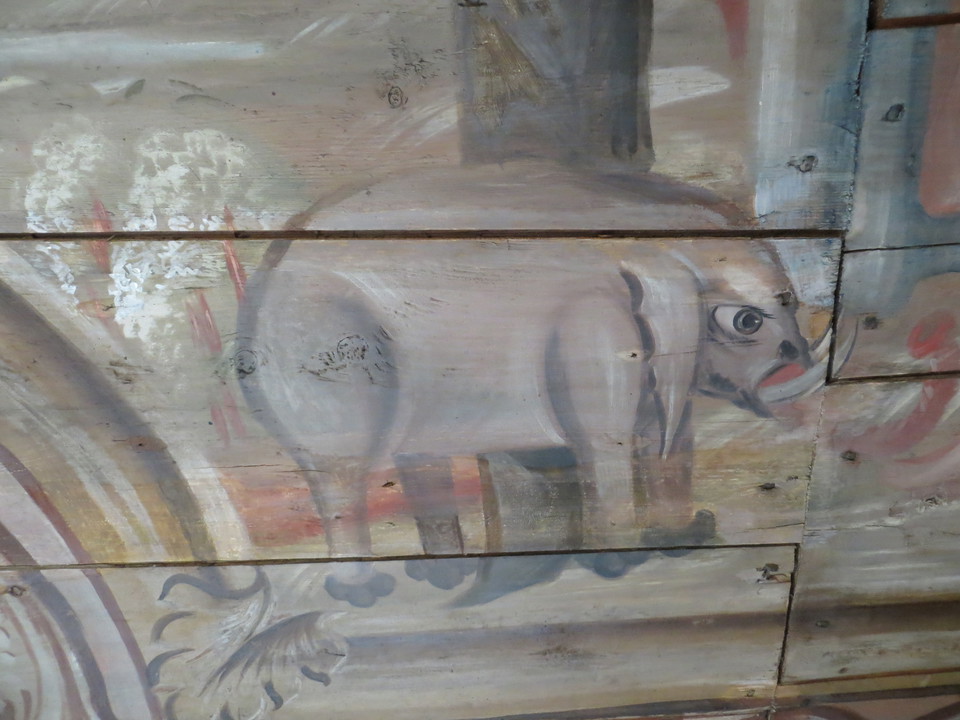
The redesigned church room was unpainted for several years, but in the early 1740s the congregation commissioned a couple of painters to decorate the church. Johan Christian Pettersson, Johan Kinnerus and their apprentices were given this commission. The paintings illustrate, for example, the Lord's Prayer, the Creed and the Ten Commandments, but there are also decorative ornaments and text panels. In some places, Pettersson's and Kinneru's signatures can be read, but in a few cases the apprentices have also written their names - Joakim Conrad Schwartz and Peter Edberg. All the paintings are well preserved and have never been painted over, which is unusual.
It is surprising that there is both a church tower and a belfry. Normally, church bells hang either in a tower or in a belfry. The old belfry took its present form in 1760. The tower of the church building was added during the 1723 rebuilding, but no church bells have ever hung here. Many churches can ring two bells, but here there are three bells in the belfry. All three were cast around 1760 by the bell caster and parliamentarian Elias Fries in Jönköping. The middle bell, however, had to be recast in 1877.
Activities And Facilities
- To do
- Culture
Directions
Directions
Habo church environment is located about 5 km southwest of Habo. There are clear road signs both from Habo village and highway 26/47.
Contact
Email address
Kultur- och fritidsförvaltningen i Habo kommun
Organization logotype

Please be aware that some of these texts have been automatically translated.
I’ve been here
I want to go here
Questions & Answers
Ask a question to other Naturkartan users.
Reviews
0 reviews
- 5 :
- 4 :
- 3 :
- 2 :
- 1 :