
-
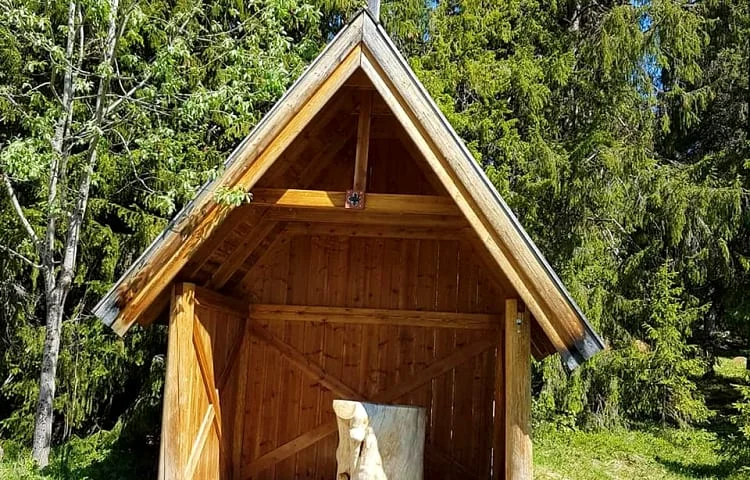
Pilgrimsaltaret på Hedningsgärdet
Hedningsgärdet
- Archaeological
- Quiet places
- Rest area
- Information
- Watersource
- County: Jämtlands län
- 501.84 km away from you
Actions
Description
Hedningsgärdet is a wasteland, a deserted farm that was inhabited during the period 1200 to 1400. Remains of house foundations can still be seen here. During its short life, the farm has been dependent on agriculture, livestock, hunting and fishing. The people on Hedningsgärdet worked a lot with reindeer husbandry, hunting or livestock. In the case of Hedningsgärdet, there are also indications that people were involved in coal mining. There are several reasons why people were forced to abandon the farm, including the plague, socio-economic changes, but also changes in the fauna affected people's living conditions.
Trondheim celebrated its 1000th anniversary in 1997, and in connection with this, a major investment was made in the St. Olav Trail, pilgrimage routes to Nidaros in Trondheim, where St. Olav is buried. He is one of the most important saints in the Nordic region and Norway's national saint. Bo Lundmark was the parish priest in Funäsdalen at the time and very involved in the Romboleden. He had the outdoor altar built.
Activities And Facilities
- Quiet places
- Rest area
- Information
- Archaeological
- Watersource
Facts
Hedningsgärdet is a deserted village that was abandoned in the 1400s.
Contact
Email address
Eva Dellemyr
Organization logotype

Please be aware that some of these texts have been automatically translated.
I’ve been here
I want to go here
Questions & Answers
Ask a question to other Naturkartan users.
Reviews
0 reviews
- 5 :
- 4 :
- 3 :
- 2 :
- 1 :