
Vattnets betydelse, Hässjaån Långhed
- Culture
- County: Gävleborgs län
- 295.26 km away from you
Actions
Description
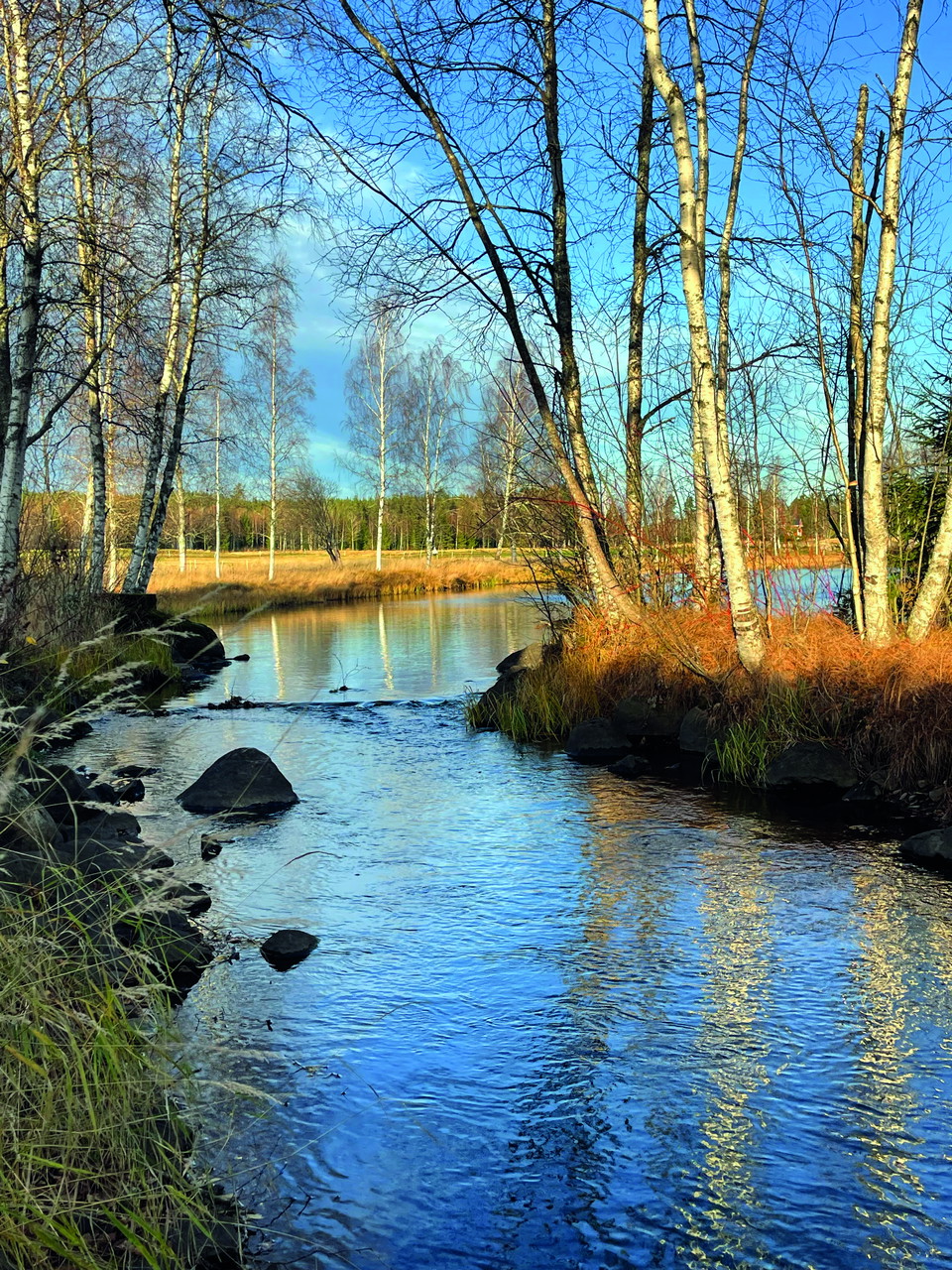
**Standing where we are now in Långhed, at the edge of the Hässjaån river, it is relatively easy to imagine the importance of this watercourse for the development of the village. The water flows through the agricultural landscape and has long been a crucial factor in the development of the village.
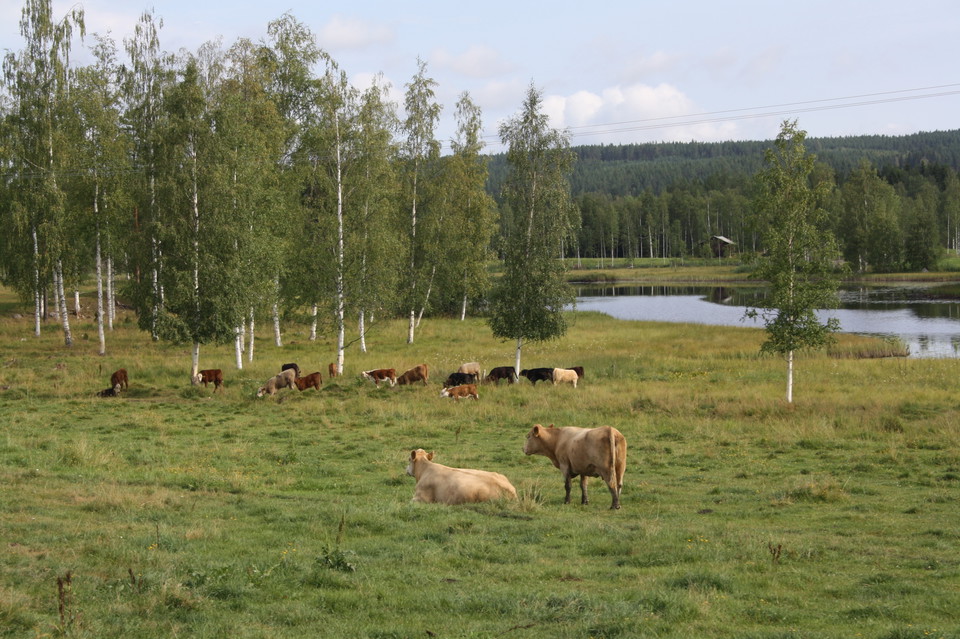
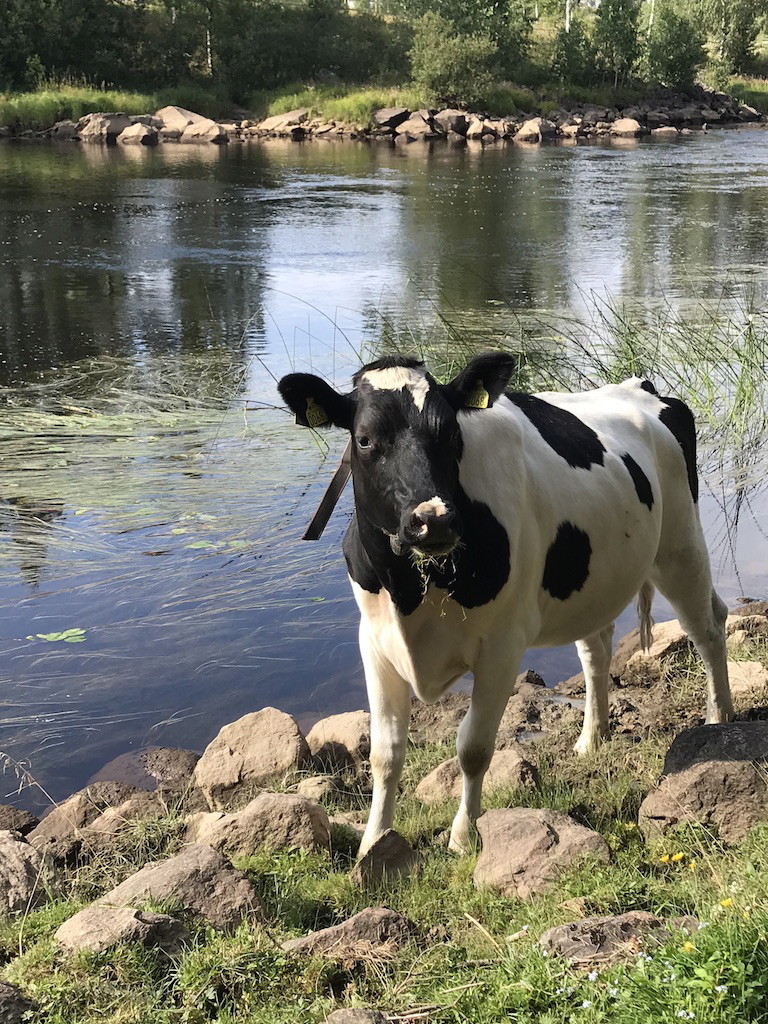
There have been mills here that ground grain grown in the fields next to it. There have been flax mills here for processing the flax grown in the fields. There have been saws here to process the timber from the forest. The water in the river has been important for transporting the forest raw material to saws and factories. The water has also been important for the household and for fishing. There have been many fish in the waters of Hässjaån that have migrated up from the sea. Today there are fish but not as far back in time before the regulations. Cattle grazing in the fields could often go down to the river to drink water. The water in Hässjaån has also been used in the household for washing clothes and carpets. At leisure, it was then, as now, wonderful to take a refreshing dip. There have also been communal washing and bathing facilities in the rushing Hässjaån.
People have always seen the value and power of water around the world - and of course also in Långhed.
Hässjaån is a watercourse in Ovanåker municipality, Gävleborg County, Hälsingland. Hässjaån supplies the river Voxnan with water. Hässjaån is about 45 km long. Including headwaters, it is about 65 km long.
From Nedre Bursjön, the watercourse is commonly called Hässjaån. The water flows through agricultural areas and finally flows into the river Voxnan, in the Ljusnan catchment area via Norrsjön.
During its journey, the river passes the villages of Ryggesbo, Långhed and Hässja. The river also passes through a relatively large number of lakes, the so-called "Hässja waters". Among the more important tributaries are Karsbosjöån and Ålakarsbäcken.
Over the centuries, Hässjaån has been an important factor in the development of Långhed and the surrounding area. Over the centuries, there have been many different types of waterworks here to harness the power of water. For example, a grist mill for grinding grain. A flax mill for processing flax to eventually weave linen fabric. Threshing mill to thresh the grain. There have also been small power stations in the river to convert hydropower into electricity.
For a long time, the Hässjaån river was used to float timber from the large forests to sawmills or to industries on the coast. For Silfors sawmill in Långhed, rafting on the Hässjaån river was for a long time the main way of getting wood raw material to the sawmill. The old map by the double doors clearly shows the Hässjaån's progress through the landscape.
Activities And Facilities
- Culture
Contact
Address
Naturkartan Voxnadalen är en karta som är tänkt att samla allt för den som vill utforska Voxnadalen på egen hand. Vandringsleder, badplatser, höga naturvärden, utsikter, häftiga platser. Här samlar vi både kommunala anläggningar, ideella föreningars anläggningar (bidra gärna om ni saknas) och platser som finns på privat mark som kan vara intressanta för besökare i vårt biosfärområde. Ambitionen är att vi tillsammans bygger och bidrar till den bästa besöksguiden i Hälsingland.
Email address
Biosfärområde Voxnadalen
Please be aware that some of these texts have been automatically translated.
I’ve been here
I want to go here
Questions & Answers
Ask a question to other Naturkartan users.
Reviews
0 reviews
- 5 :
- 4 :
- 3 :
- 2 :
- 1 :