
-
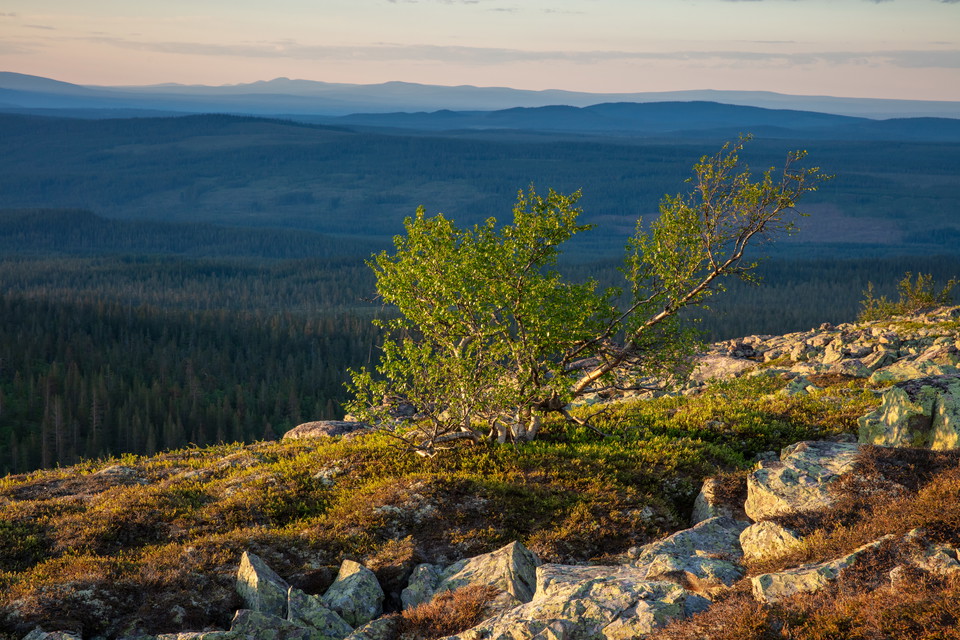
Photo: Naturvårdsverket, Foto: Andreas Lindahl -
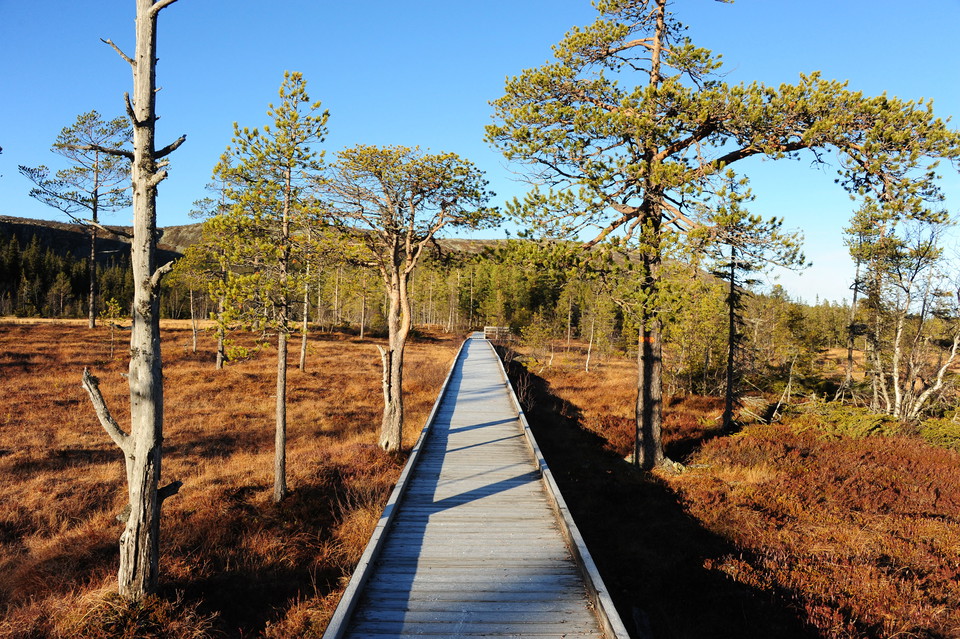
Photo: Sebastian Kirppu, Lst -
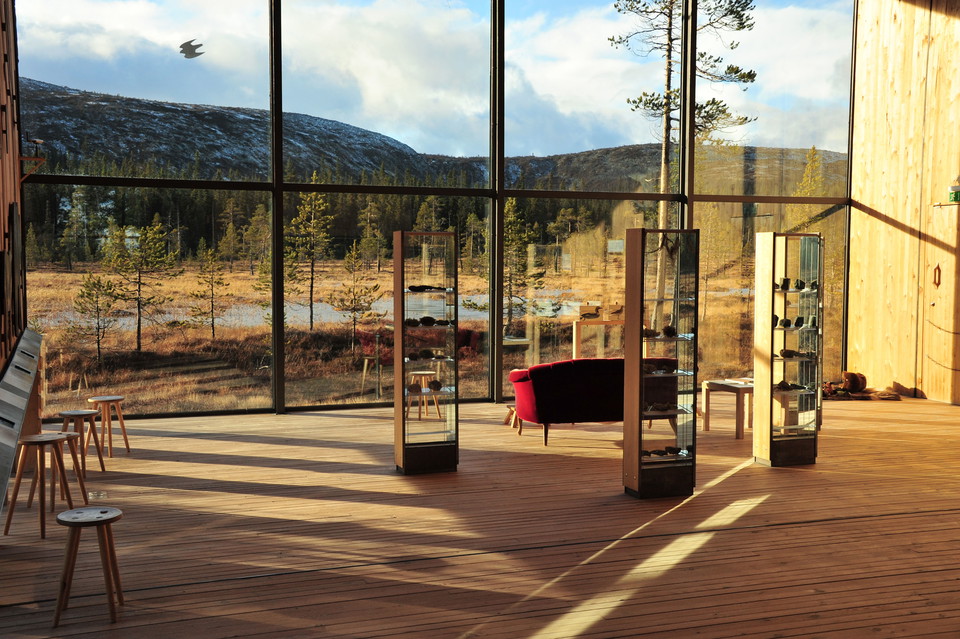
Naturrum, Fulufjället.
Photo: Sebastian Kirppu, Lst -
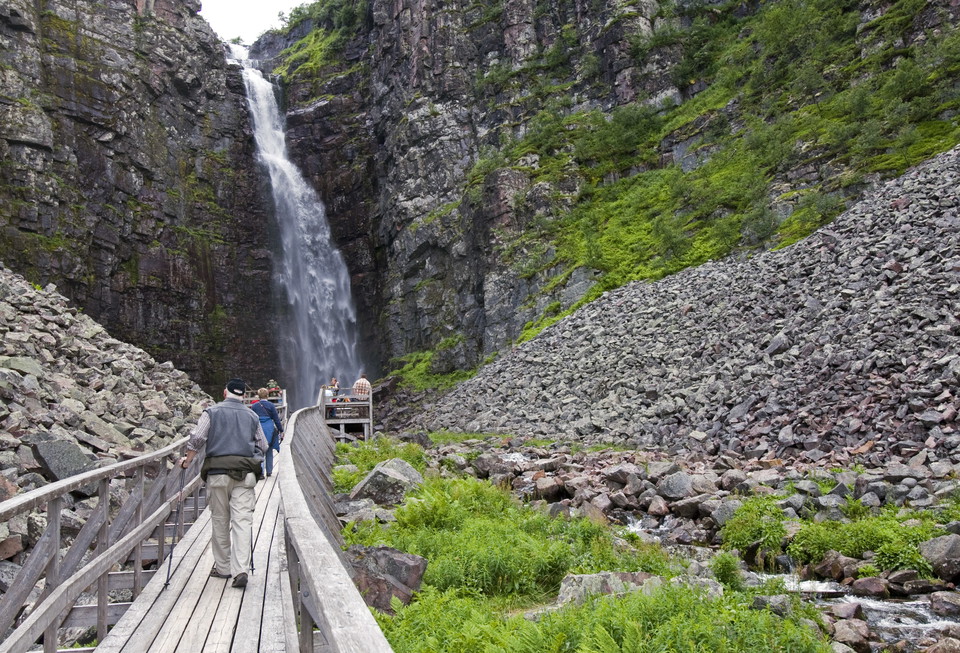
Photo: Naturvårdsverket, Foto: Alf Linderheim, Naturfotograferna, TT-bild -
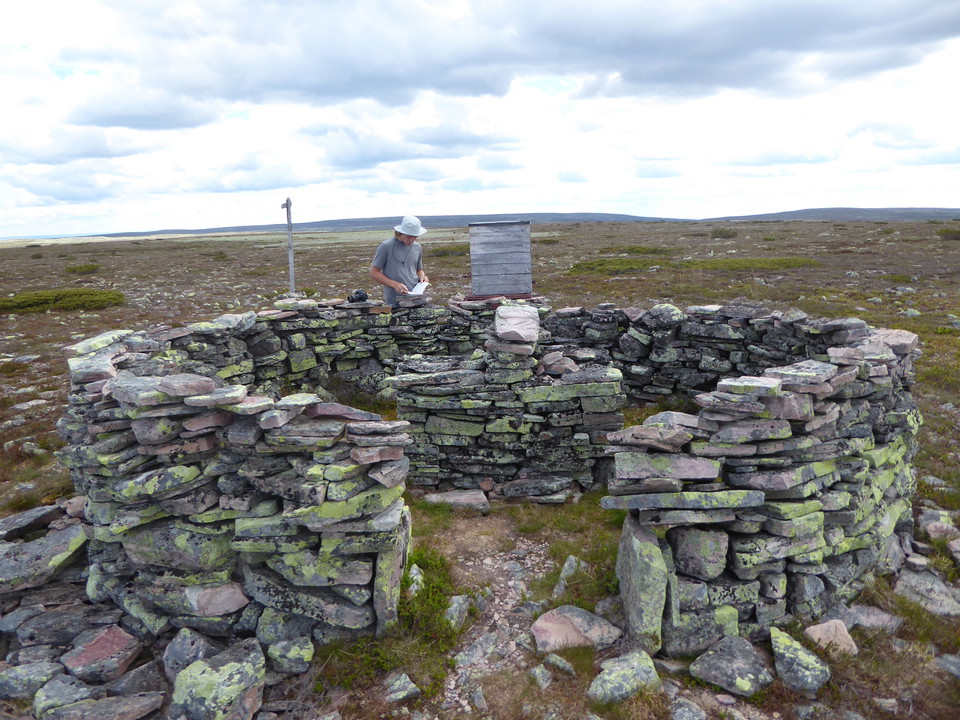
Altarringen, Fulufjället.
Photo: Alexander Benedict, Lst -
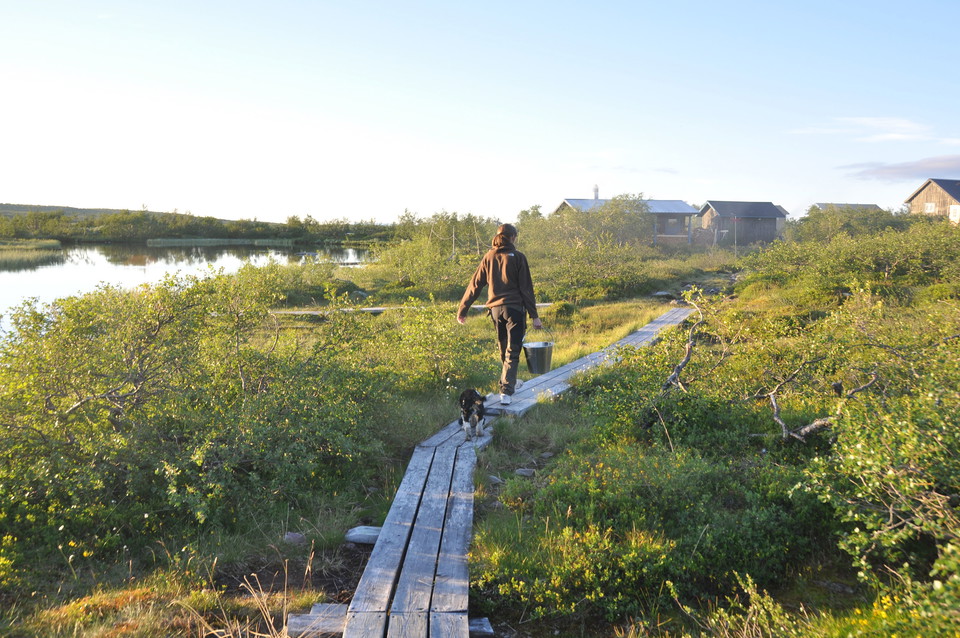
Spång, rosjöarna.
Photo: Veronica Nilsson, Lst -
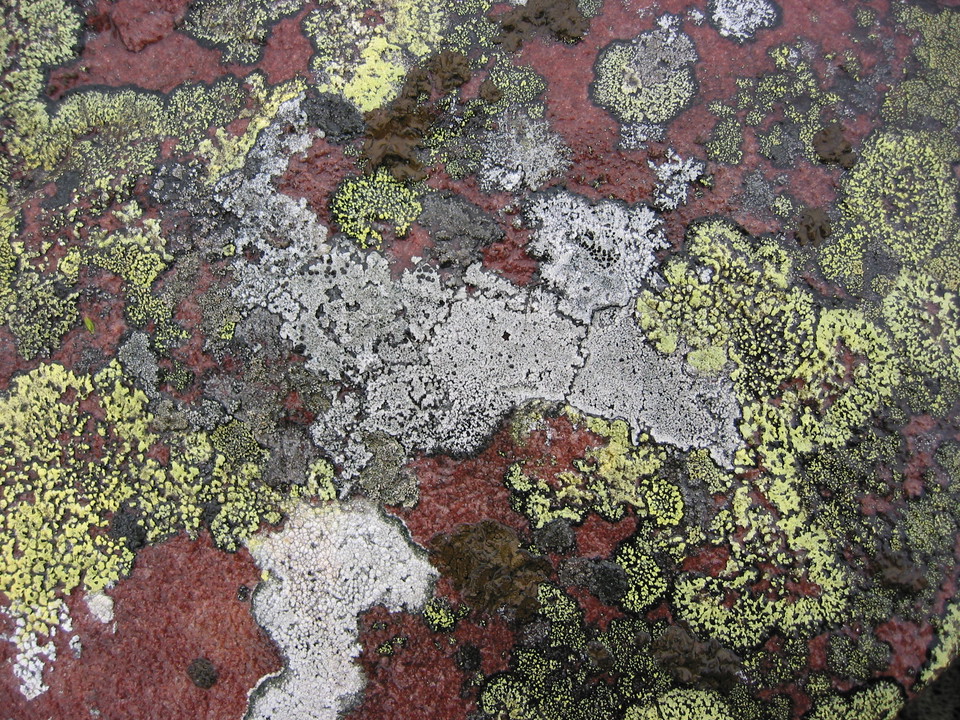
Lavasten.
Photo: Sofia Tiger, Lst -
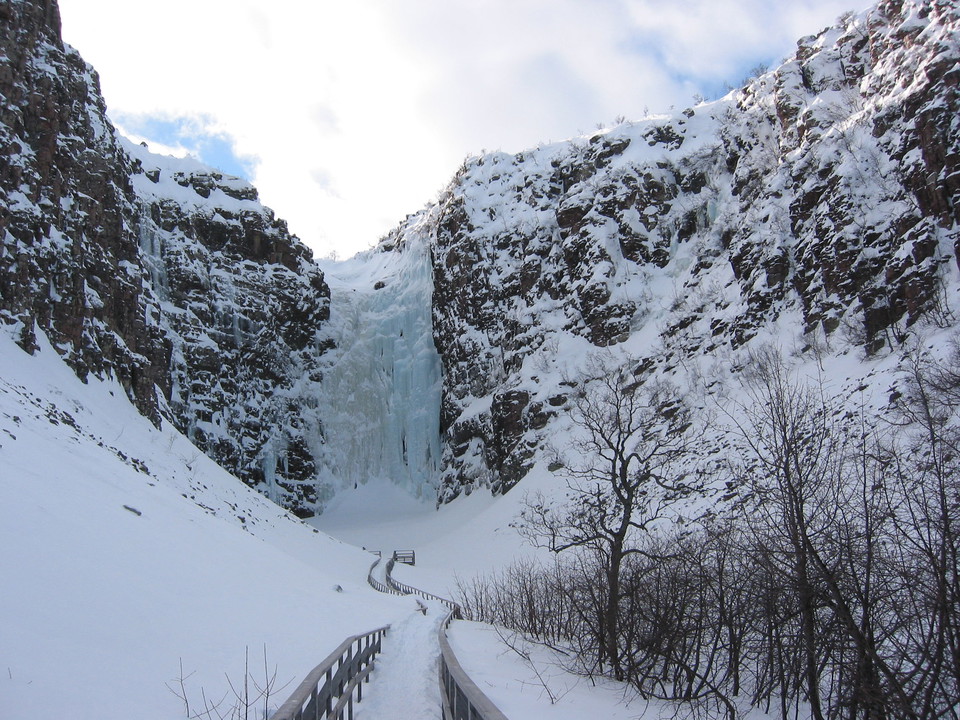
Photo: Sofia Tiger, Lst -
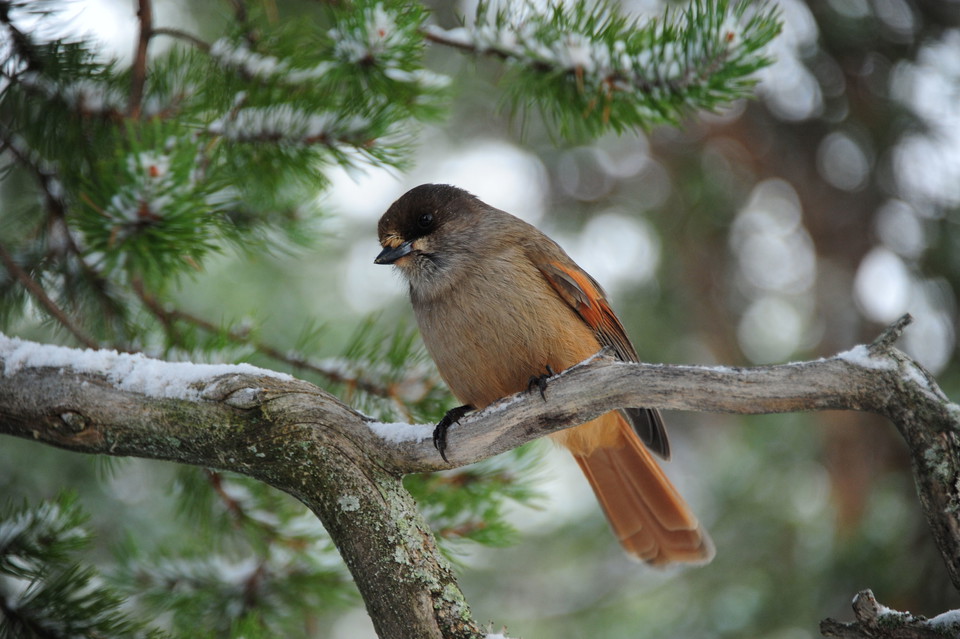
Lavskrika.
Photo: Sebastian Kirppu, Lst
Fulufjället, Nationalpark
- National Park
- Nature reserve
- County: Dalarnas län
Actions
Description
Fulufjällets nationalpark är ett nästintill orört naturområde i södra delen av fjällkedjan. Fjället reser sig som en platå i landskapet, med branta sidor och platt upptill. Här uppe betar inga renar. Därför täcks fjällheden av tjocka lavmattor.
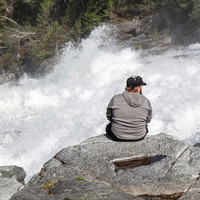
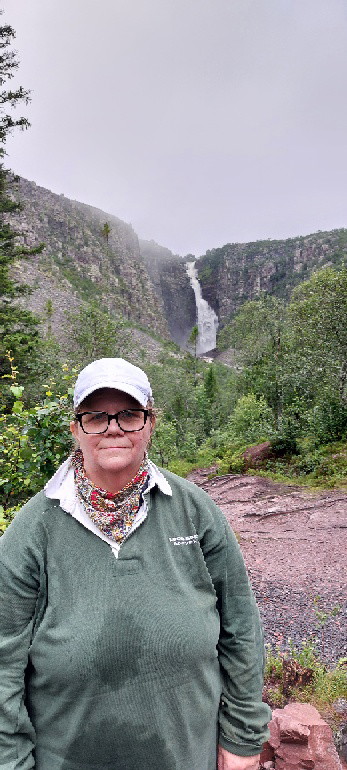
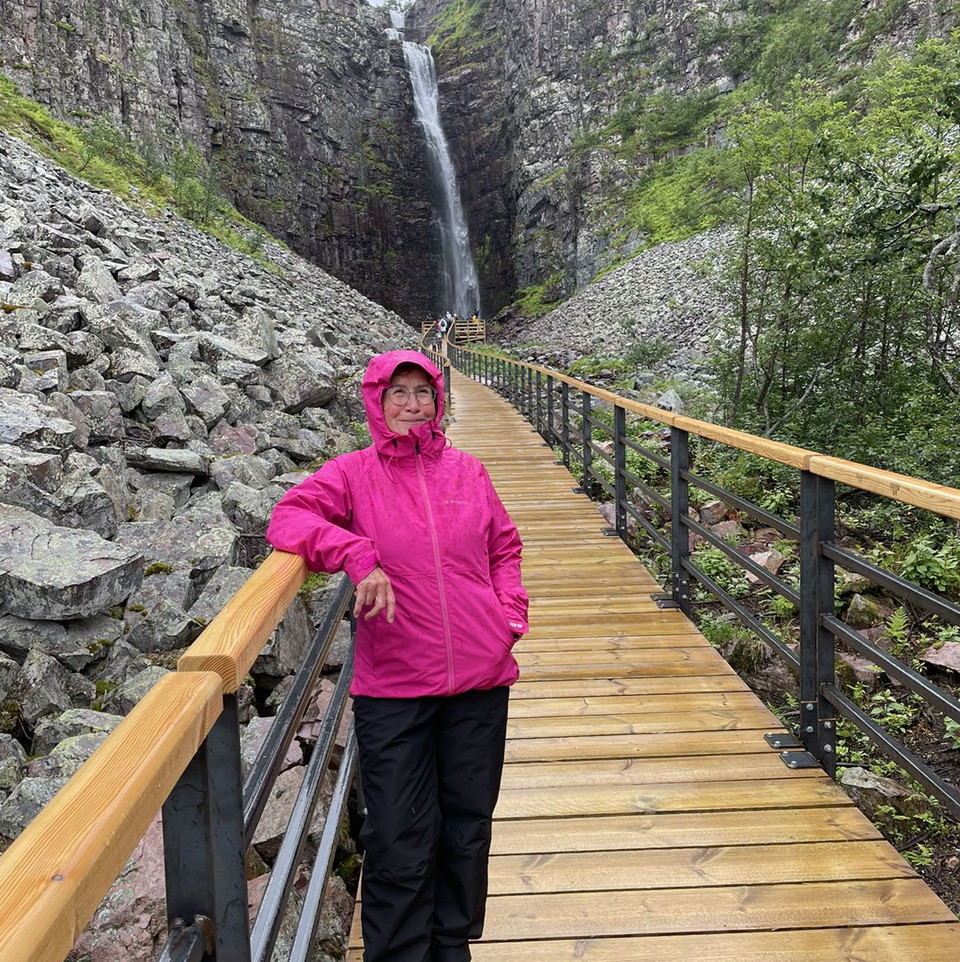
Många besöker Njupeskärs vattenfall, som är 93 meter högt varav 70 meter fritt fall. Ljudet av vattenmassor som krossas är nästan öronbedövande och skapar en tung dimma som många ovanliga mossor och lavar tycker om. Under årtusenden har vattnet mejslat ut en stor klyfta. Hit kommer de flesta besökare. På toppen av fallet har du en fantastisk utsikt över klyftan och landskapet.
Nationalparken invigdes 2002. Arealen är 38 500 hektar (385 kvadratkilometer) varav två tredjedelar är kalfjäll och fjällhed.
Activities And Facilities
- Nature reserve
- National Park
Directions
Fulufjället National Park is located in northwestern Dalarna, about 150 kilometers from Mora and about 60 kilometers from Idre.
Fulufjället is located in northwestern Dalarna next to the Norwegian border. The main entrance is about 25 km west of Särna. Follow highway 70 north from Särna. After 4 km, turn left towards Mörkret and Gördalen. From Mörkret, follow the signs to Fulufjället National Park.
If you want to travel by public transport to the main entrance, you can book your trip to Särna and from there book flextrafik.
Going hiking in the summer? Feel free to go to an entrance other than the main entrance as it quickly becomes full during the high season. In the summer, many people visit the national park's main entrance at the same time. The parking lot will then be full. During the high season (June 15 to September 15), visitors usually peak between 11 a.m. and 2 p.m. The quietest times are before 10 a.m. and after 4 p.m. If possible, plan your visit for less crowded times. Or try taking the bus to the national park.
In winter, the roads to the Gördalen entrance, Brottbäcksstugan entrance and Morbäckssätern entrance are plowed.
Regulations
Please note! It is not allowed to stay overnight in a car, motorhome or tent in the parking lot. You can only camp in the parking lot during the period 1/12 - 31/3.
In the national park it is allowed to:
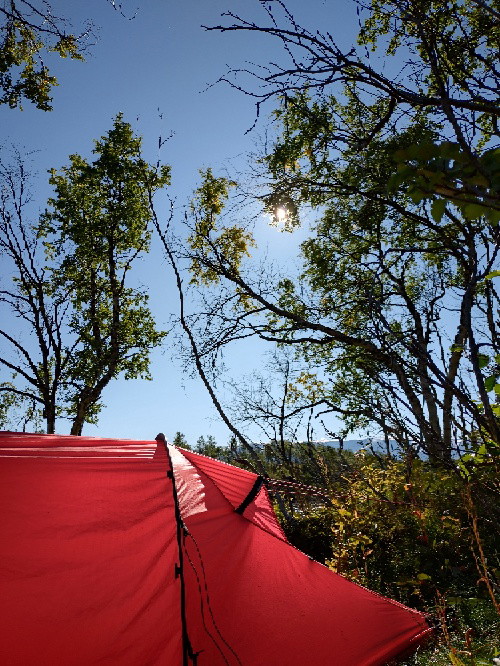
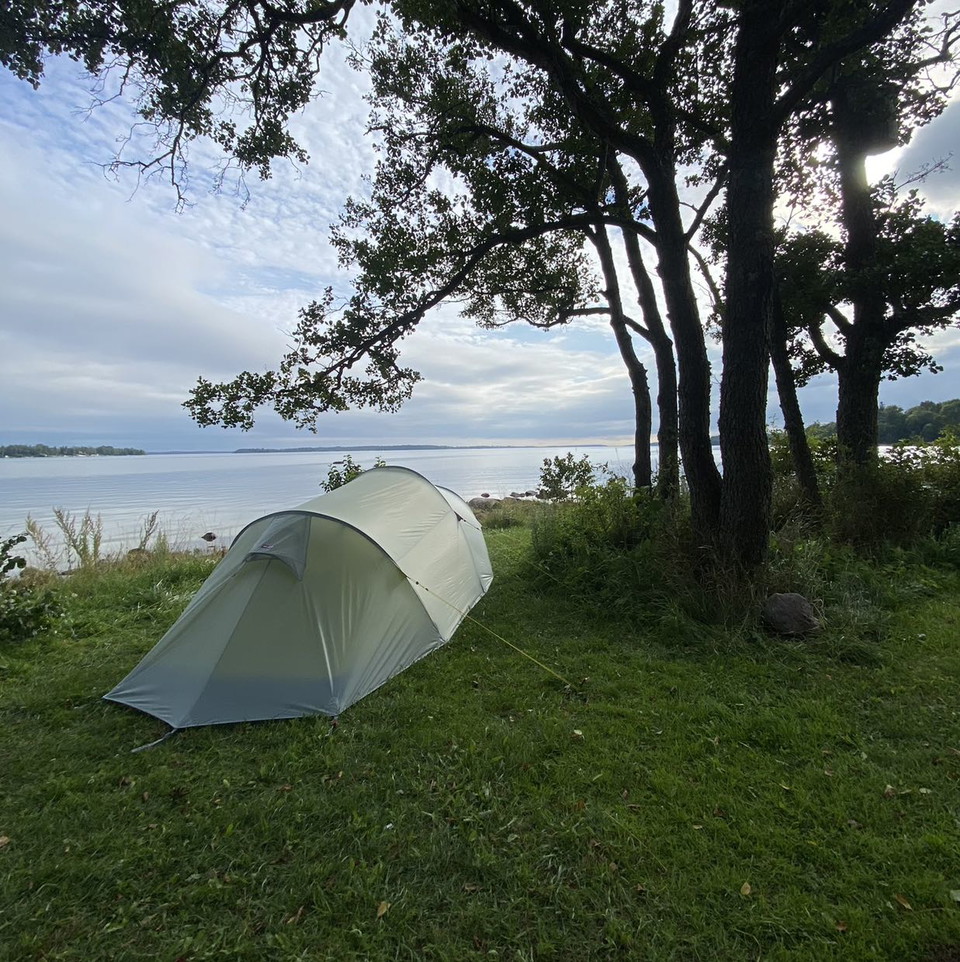
- camp anywhere on the mountain, except in zone 4, do not camp next to cabins and trails
- fishing, but only with hand gear in the waters within zone III that are available through the sale of fishing licenses.
- Fishing is not allowed from September 1 to December 31, with the exception of 8 days at the time of ice formation, weeks 45-48.
- driving snowmobiles on snow-covered ground on marked trails and on the ice of Lake Stora Rösjön closest to the route from the snowmobile trail to the fishing grounds.
- climb on ice during the period December 1 - March 31.
- camping in zone 4, but only between December 1 and March 31 in designated areas
- make a fire, but within zone 4 you may only make a fire in specially arranged fireplaces.
- bring a dog on a leash. However, hunting right holders may bring loose dogs in connection with hunting or hunting training during the hunting season.
But not to:
- fly below 600m. This also applies to drones!
- climb mountains
- put up boards, signs or other markings in nature
- break branches, cut down or otherwise damage living or dead trees and bushes
- digging up plants and picking mosses, lichens and woodland fungi
- staying in nesting trees or on slopes with nesting birds of prey, collecting insects or otherwise disturbing or damaging wildlife
- use internal combustion engine-powered ice drills
- ride horses or bicycles, except on roads
- in zone 4, light fires in places other than designated fireplaces.
Contact
Email address
Gisela Norberg
Organization logotype

Please be aware that some of these texts have been automatically translated.
I’ve been here 237



























I want to go here 216



















Questions & Answers
Ask a question to other Naturkartan users.
Reviews
2 reviews
- 5 :
- 4 :
- 3 :
- 2 :
- 1 :
Nej Njupeskär är inte högsta vattenfallet!
Tvillingfallen eller Greven och Grevinnan som dom också kallas, är två vattenfall vid Stora Sjöfallets nationalpark i Gällivare kommun. ca300m och ca 250m
Norra storfjället nordväst om Hemavan vid Måskoesvaajja finns ytterligare ett mindre vattendrag som har nästan 200m fallhöjd.
Det gör Njupeskär till fjärde högsta och inget annat.
Njupeskär här heller inte 70m fritt fall som uppges.
hur hittar man väg ditt?