
-
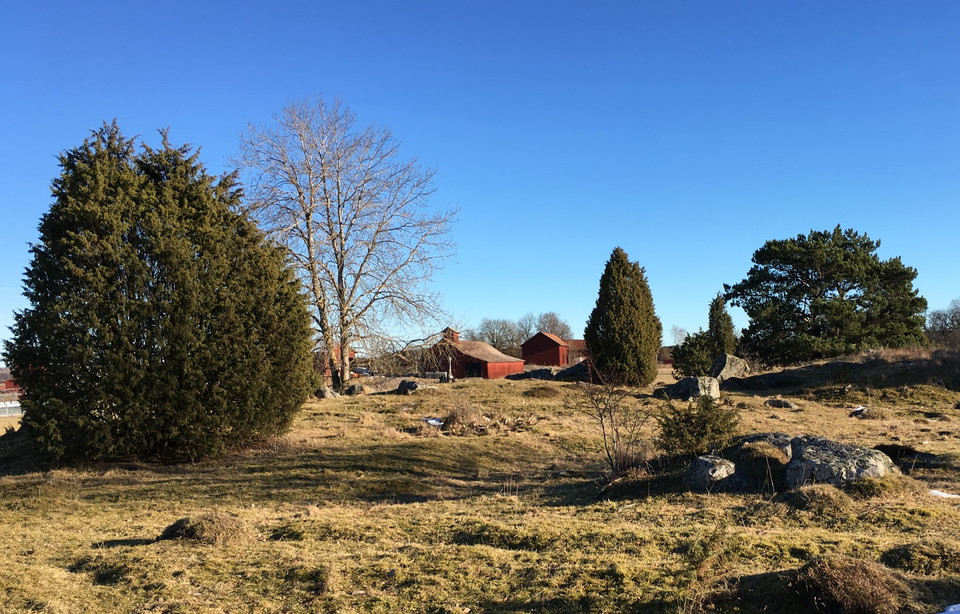
Örby hagar -
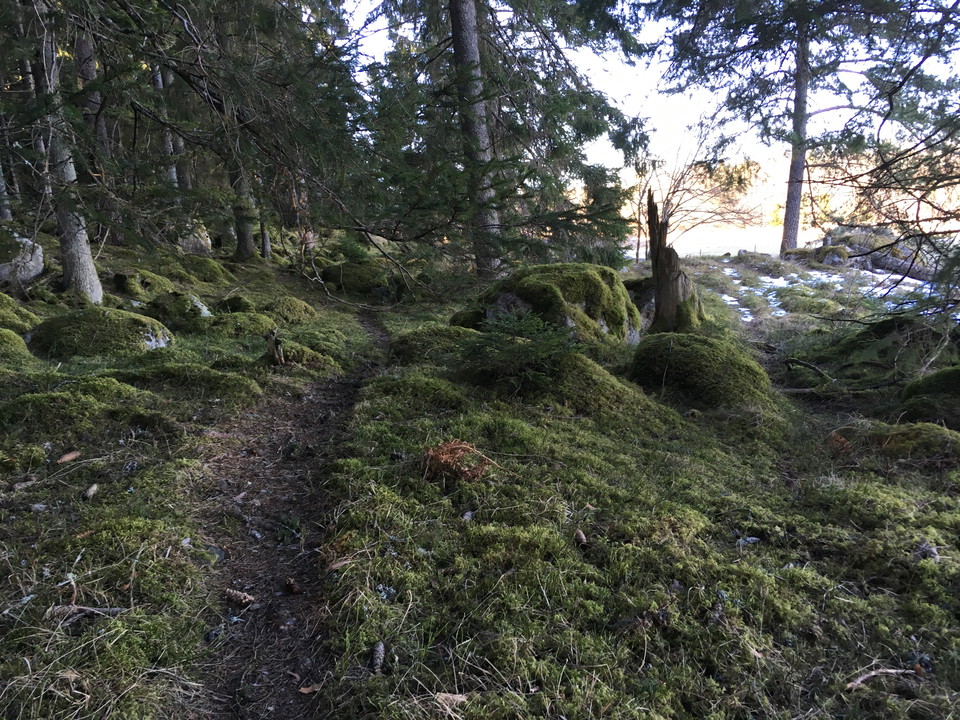
Upptrampad stig -
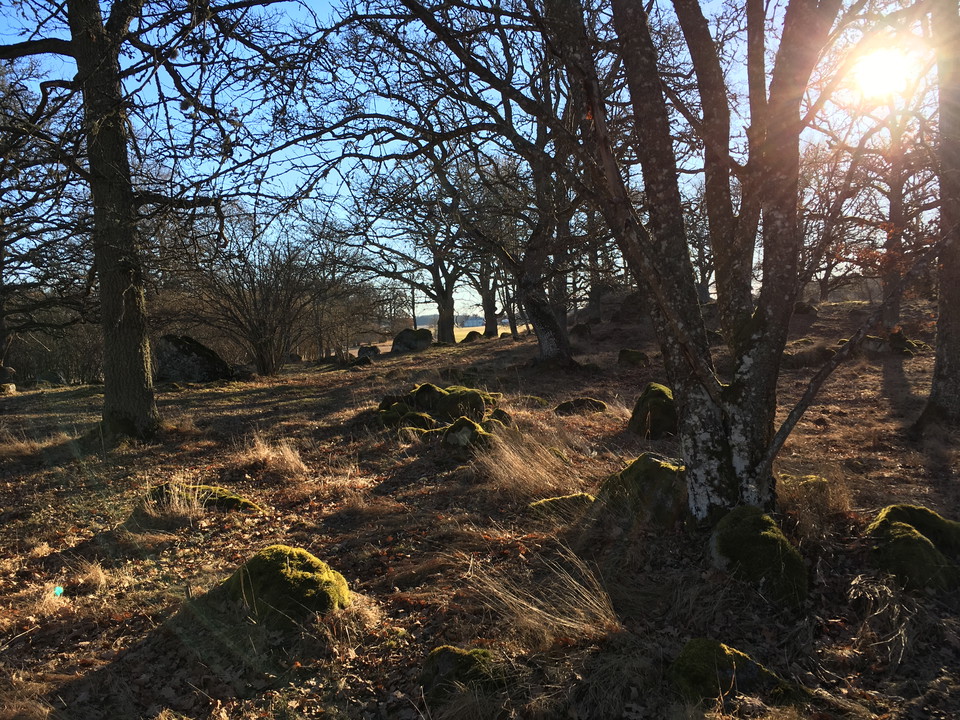
Brynmiljöer -
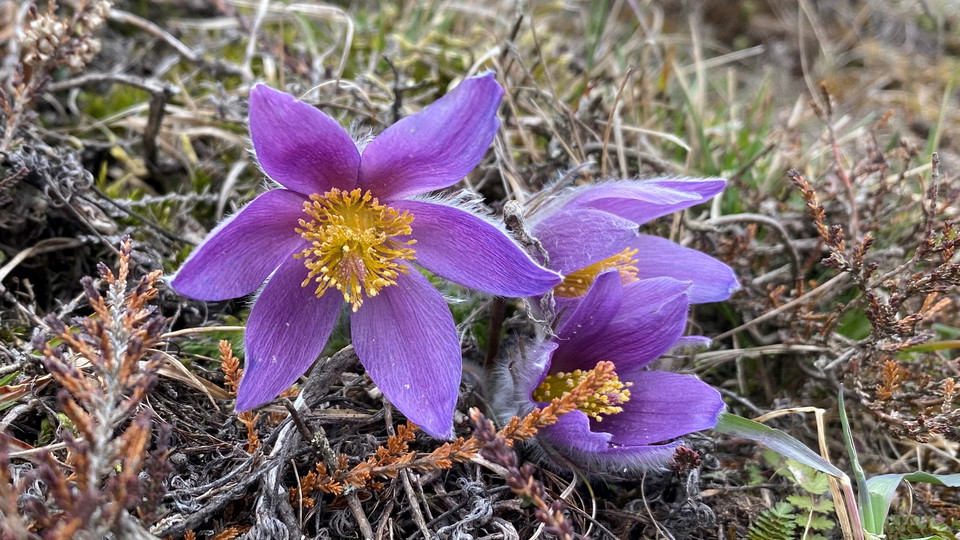
Backsippor -
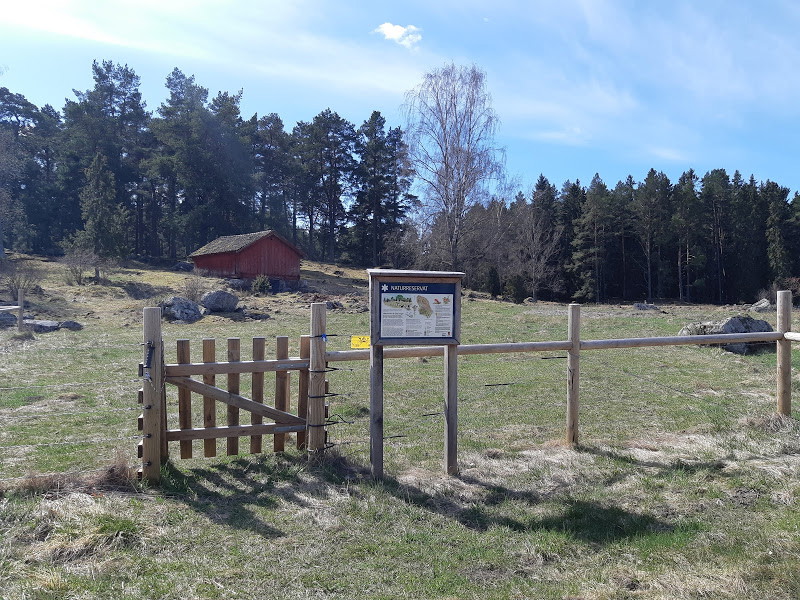
Ingång till betesmarkerna -
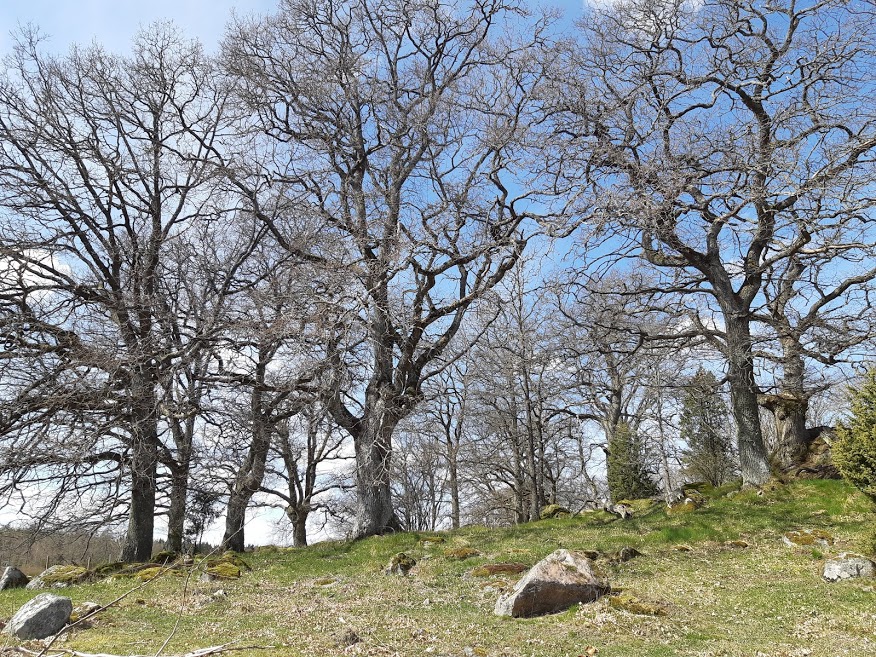
Ståtliga ekar
Örby hagar
- Naturschutzgebiet
- Nähe von Nahverkehr
- Landkreis: Uppsala län
Aktionen
Aktuell
2021 wird der Parkplatz gestrichelt.
Beschreibung
Here in the borderland between the forest and the open agricultural landscape is the Örby hagar nature reserve. It is a nature reserve with natural pastures and fine heathland environments. The natural pastures are home to many different species that are dependent on the land being maintained with haymaking or grazing.
In the larger part of the reserve there are open pastures with many species that benefit from the cows' grazing and trampling. There are also dry hills with flowers that tolerate these dry environments. For example, you can find cat's-foot, shamrock, coneflower, wood anemone, thistle, maidenhair fern, almond blossom and snakeweed. You can also find the orchids night violet and maidenhair fern. The fungal flora here also benefits from grazing, with many red-listed meadow fungi, such as green-yellow waxcap, thread waxcap, date waxcap, reddening lute waxcap, lute waxcap, scarlet waxcap, mealy redcap and porphyry redcap.
In Örby hagar there are many fine bryn environments. The margins, i.e. where the open ground meets the forest, are an important natural environment for many species. They often provide shelter for insects such as bees and butterflies. There are also often flowering shrubs in the margins that provide food for insects and birds. The buffer zones are important environments for large trees such as oaks, which have the opportunity to spread their branches in the buffer. A lobed edge is thus a very important environment for biodiversity.
The reserve contains several ancient remains from the Bronze Age (about 3500 years ago). The two oak hills in the northern part of the reserve were at that time islands in the Uppland archipelago. In the 19th century, these oak hills were instead islands in the surrounding meadowland and today they are islands in the surrounding arable land.
Aktivitäten und Einrichtungen
- Naturschutzgebiet
Zugänglichkeit
- Nähe von Nahverkehr
Fakten
** Schutzjahr:** 2017
**Areal: 25 ha
** Kommune:** Uppsala
Mark Owners: Gustavian Foundation an der Universität Uppsala
== Weblinks ==== Einzelnachweise ==
Schutzart:** Naturschutzgebiet, Natura 2000
Verordnungen
Es ist im Naturschutzgebiet verboten:
Zweige, Fallen oder sonstige Schäden von lebenden oder toten Bäumen oder Sträuchern brechen;
Sammeln von Insekten oder anderen Wirbellosen mit Ausnahme des Abrufs oder der Entnahme von Personen zur Bestimmung der Arten;
3. Feuer oder Grill,
4. Entkoppelter Hund oder andere auflösende Haustiere mitbringen;
5. Kraftfahrzeuge;
Einbau von Kraftfahrzeugen, Wohnwagen oder Anhängern oder dergleichen;
7. dauerhafte Kennzeichnungen, Zeichen oder ähnliche Zeichen einrichten;
8. Ohne die Verwaltung Board, nutzen Sie das Gebiet für organisierte Wettbewerb oder Ausübung Zwecke, Lagerbetrieb oder gleichwertig.
Kontakt
E-Mail-Adresse
Länsstyrelsen i Uppsala län
Bitte beachten Sie, dass einige dieser Texte automatisch übersetzt worden sind.
Ich bin hier gewesen 3

Ich möchte hierher gehen 6

Fragen & Antworten
Stellen Sie eine Frage an andere Naturkartan-Nutzer.
Bewertungen
0 Rezensionen
- 5 :
- 4 :
- 3 :
- 2 :
- 1 :